

A Science-Based Guide on How to Improve Mood
Mood reflects the biological balance of neurotransmitters, nutrition, sleep, and stress regulation, and improving these physiological systems can support emotional stability and overall brain health.

Sorry, looks like we don't have enough of this product.


Hyperactivity is one of the most misunderstood aspects of attention deficit hyperactivity disorder. Teachers see impulsivity in kids. Adults experience mental restlessness that never seems to quiet down. These ADHD symptoms are often interpreted as behavioral issues, but biology tells a different story. When people search for the best supplements for hyperactivity, they are usually looking for something that will help them treat ADHD or support managing ADHD symptoms more naturally. Many want alternatives to stimulant drugs. Others want to support the effects of ADHD medication without increasing side effects. At Fenix Health Science, hyperactivity is viewed as a signaling imbalance inside the brain. The goal is to restore biological stability using targeted natural supplements that support optimal brain health and long-term regulation.
Hyperactivity is a condition of imbalance in the brain’s signaling processes. The nervous system has to maintain a delicate balance between “excitatory” and “inhibiting” neurotransmitters. Hyperactivity, impulsiveness, and poor executive function are the consequences of an imbalance. The “gas” pedal of the brain includes dopamine and norepinephrine. Dopamine is essential for motivation and concentration. “Brakes” include serotonin and GABA. It is difficult for the brain to control levels of stimulation when serotonin and dopamine levels are imbalanced. People with ADHD have imbalanced dopamine levels and altered dopamine receptors. This is why stimulant medication and other stimulants for ADHD are effective. They work by increasing dopamine levels and inhibiting the reuptake of dopamine. However, dopamine does not work in isolation. It is continuously interacting with glutamate, which is the main “exciting” neurotransmitter of the brain. Excessive glutamate levels make the nervous system “noisy.” This causes overstimulation and hyperactivity.
Dr. Russell Barkley has pointed out for years that ADHD gets tougher as life gets busier. Kids grow up, turn into teens, and suddenly everything comes at them at once: deadlines, appointments, and constant demands. Time management stops being optional. The problem is, executive function, basically the brain’s planning and self-control center, doesn’t always keep up. A lot of people with ADHD just can’t see past what’s happening right now. It’s not because they’re lazy, and it’s definitely not some moral failing. ADHD is rooted in the way the brain handles attention and impulse control.
To get why this happens, you have to zoom in on brain chemistry. Every thought, every plan, relies on signals firing between neurons. Two main forces keep things in check. There’s the “gas pedal” side, powered mostly by dopamine and norepinephrine. Then there’s the “brakes” side, which depends on serotonin and GABA. If these chemicals fall out of sync, especially serotonin and dopamine, the whole system has trouble keeping stimulation under control. That’s how you end up with impulsivity, fidgeting, mood swings, or trouble focusing. People with ADHD often have unique dopamine patterns, and that’s why doctors go for stimulant meds. Stimulants block the dopamine transporter, so higher levels of dopamine stick around longer. But dopamine isn’t working alone. It’s always interacting with glutamate, which is the brain’s main “go” signal. Too much glutamate and the brain gets noisy. Executive function takes a hit. That’s part of why some people still struggle, even on medication. Sure, meds can boost dopamine, but they don’t fix every underlying issue like mineral imbalances in brain cells. So, building a strong biological foundation can help balance both dopamine and glutamate. Picture dopamine as the main message and glutamate as the background chatter. If the chatter gets too loud, you can’t hear the message. When glutamate’s main receptors (the NMDA receptors) are too sensitive, the whole brain gets overstimulated, which wrecks focus and self-control. That’s why targeted nutrition really matters for brain health.
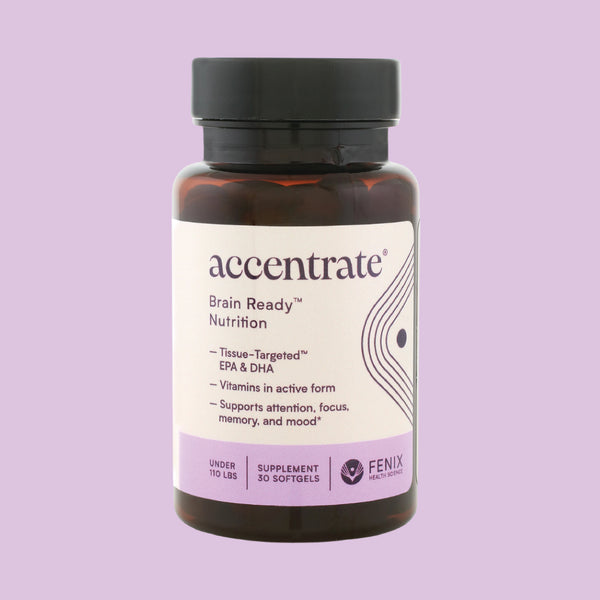
Omega-3 fatty acids are basically the building blocks for your brain cells. EPA and DHA, two of the main types, actually sit right inside the membranes of your neurons. When those membranes stay flexible, your brain’s signals move fast and smoothly. But if they stiffen up, communication slows down, and things just don’t work as well. A lot of people just grab the usual fish oil supplements, thinking that’s enough. But here’s the thing, not every form of omega-3 actually makes it to your brain. The delivery really counts. For example, LPC-bound omega-3s, like the kind in Accentrate®, cross the blood-brain barrier more easily. That means your brain gets more of what it needs, right where it matters. There’s research out there showing that omega-3s can sharpen your attention and might even help with hyperactivity. Eating fatty fish is great for your brain overall, but let’s be honest, not everyone eats fish regularly. Supplements fill in the gaps and keep things consistent, especially when your diet’s all over the place. And don’t forget quality makes a real difference.
Magnesium keeps NMDA receptors in check. It actually sits in the receptor channel, blocking it, until a strong enough signal comes along. When one doesn’t have enough magnesium, these receptors get jumpy and fire off too easily. That sends the nervous system into overdrive, think restlessness and trouble sleeping. Taking magnesium helps calm things down. It smooths out excitatory signals and protects how your brain handles dopamine. By dialing back glutamate activity, magnesium lets your brain send clearer messages and supports sharper thinking. A lot of people turn to magnesium supplements to cut down on hyperactivity and finally get some decent sleep, both big issues for anyone dealing with ADHD.
Zinc does a lot when it comes to dopamine. It helps your body make dopamine and controls how long it sticks around in your brain. After your neurons release dopamine, something called the Dopamine Transporter, DAT for short, grabs it and pulls it back in. When zinc jumps in and attaches to DAT, it slows this process down. So, taking zinc can help keep dopamine levels steady, much like some prescription meds do. If you don’t get enough zinc, this balance gets thrown off. You might also notice your immune system isn’t working as well, and your brain’s chemical signals might not fire as they should. Adding zinc supplements often fits well with stimulant meds as part of an overall treatment plan.
The human brain can’t just pull dopamine out of your lunch. It has to make it on its own, starting with the amino acid L-tyrosine. First, an enzyme called tyrosine hydroxylase turns L-tyrosine into L-DOPA. Then the brain takes L-DOPA and produces dopamine from it. Iron is a key player in that first step. Without enough iron, your dopamine production drags. Even if your iron levels are just a bit low, not enough to cause anemia, you might notice you’re more tired or have trouble concentrating.
Some research, like a study published in Frontiers in Psychiatry, finds that low ferritin (which shows up when iron is low) pops up more often in kids with ADHD than in other kids, somewhere between 8-15%. There’s a possible link to symptoms, but the numbers don’t suggest doctors should check iron for every kid with ADHD. Still, if someone has an iron deficiency, targeted supplements can help the brain make dopamine and sharpen focus. They might even help with fatigue or that annoying brain fog. Iron supplements aren’t for everyone. They need to be used carefully and watched closely, but when one needs them, they’re crucial for supporting the nutrients that keep attention and executive function running smoothly.
People usually think of vitamin D as just the “bone health” vitamin, but honestly, it does way more in the brain than most of us expect. The brain is packed with vitamin D receptors, especially in areas that handle attention, mood, and decision-making. So it’s not just about bones or calcium. There’s a lot more going on here. For example, researchers have noticed that people with low vitamin D levels tend to have higher rates of ADHD than those without it. Vitamin D isn’t a direct fix for ADHD, but it shapes things behind the scenes. It helps with dopamine production, keeps inflammation in check, and supports the immune system, all of which influence how the brain communicates. On top of that, vitamin D interacts with serotonin pathways and helps keep the nervous system steady. When people don’t have enough, their mood can swing all over the place. Sunlight lets the body make vitamin D naturally, but let’s be real, most humans (kids and adults alike) spend a lot of time indoors these days. Making sure one gets enough vitamin D doesn’t just help the bones. It gives the brain what it needs to stay focused and emotionally balanced.
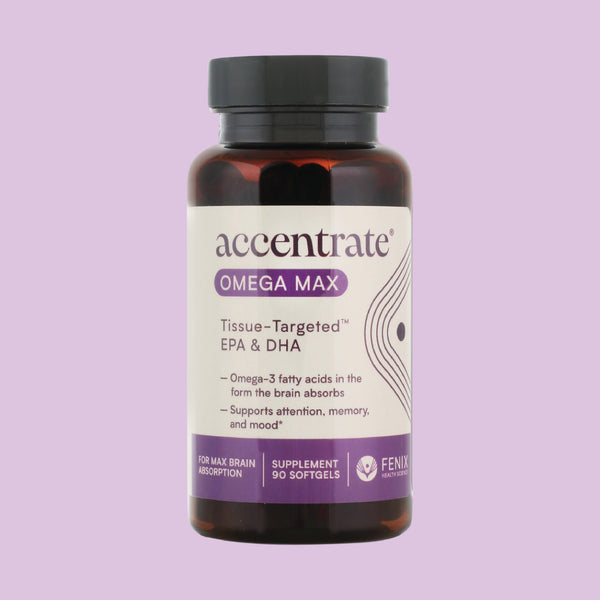
Accentrate® Omega Max contains LPC-bound EPA and DHA designed for maximum brain absorption. This formulation delivers omega-3 fatty acids in the form most readily used by the brain. By supporting membrane flexibility and improving neurotransmitter signaling, Omega Max helps promote attention, memory, and mood stability.
Place your order for Accentrate® Omega Max now!
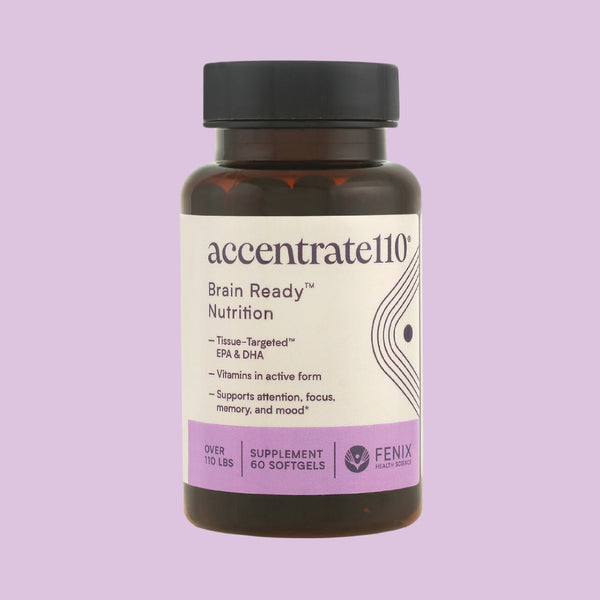
Designed for teens and adults over 110 lbs, Accentrate® Omega 110 provides Brain Ready™ Nutrition with LPC-EPA and LPC-DHA. It supports improving cognitive function and long-term cognitive health.
Place your order for Accentrate® Omega 110 now!
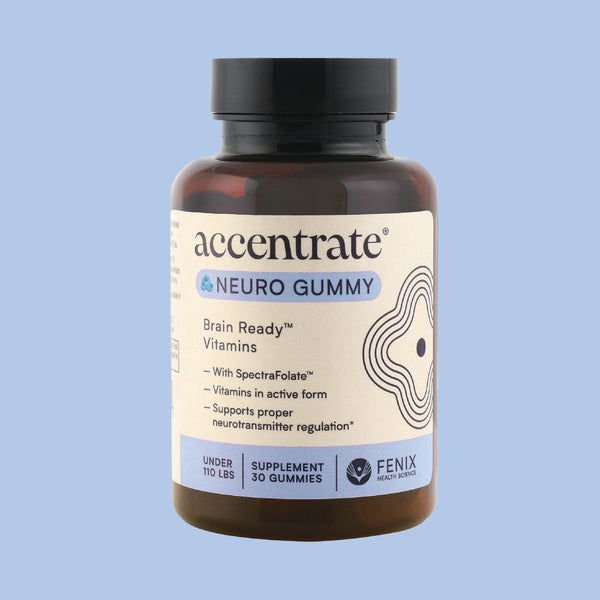
This vitamin B complex provides active forms of B-vitamins that support neurotransmitter production and brain function for those over 110 lbs. The key ingredients include L-methylfolate calcium (folate), Pyridoxal-5-phosphate (Vitamin B6), Methylcobalamin (Vitamin B12), Riboflavin-5-phosphate (Vitamin B2), Niacinamide (Vitamin B3), and more, all in their active forms for bioavailability.
Place your order for Accentrate® Neuro 110 now!
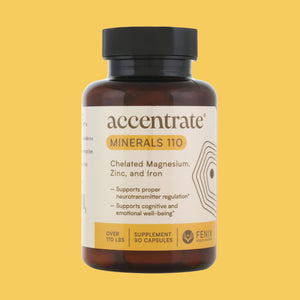
This formula contains chelated magnesium, zinc, and iron. Chelation improves absorption and reduces gastrointestinal discomfort. By combining magnesium, zinc, and iron supplementation, this product supports dopamine metabolism and excitatory tone regulation.
Place your order for Accentrate® Minerals 110 now!
Neuro-X is designed for individuals sensitive to methylated vitamins. It supports neurotransmitter balance while minimizing overstimulation. All ingredients are in the form readily absorbed and used by the brain to support mental health.
Place your order for Accentrate® Neuro-X now!
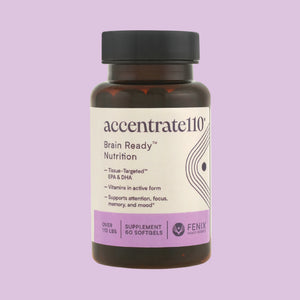
This combined omega and vitamin formula provides comprehensive nutritional supplements for teens and adults over 110 lbs. It offers integrated support for attention, memory, mood, and cognitive function.
Place your order for Accentrate110® now!
Some people do well on ADHD meds, while others go for non-stimulant options. Plenty use a mix of both. The best treatment plans usually blend things like supplements, therapy, good routines, and a solid diet. Sticking with it really matters. If you forget a supplement in the morning, it’s better to take it late than to skip it. Missing doses throws your body off. Taking huge amounts on your own can mess up your health or throw things out of balance. Supplements help most when they’re part of a bigger plan, not used as the only fix.
Individuals with ADHD frequently exhibit disrupted sleep cycles. Exposure to blue light, erratic sleep routines, and diminished sleep quality worsen dopamine dysregulation. Melatonin supplements, administered correctly, can facilitate the onset of sleep. Consequently, prioritizing both the quality and duration of sleep serves to fortify executive function.
Low-stimulation environments decrease sensory overload and reduce hyperactivity triggers.
Exercise increases dopamine levels naturally and improves cognitive performance. Heavy muscle movement activates proprioceptive pathways that ground the nervous system.
What anyone eats shapes their brain for the long run. Foods like yogurt, sauerkraut, and anything rich in vitamin C help keep your brain’s chemistry steady. But here’s the thing: real change takes time. Building new pathways in the brain is kind of like clearing a hiking trail through the woods. The more it’s walked, the easier it gets. That’s why sticking with better habits for about three months can really make new patterns stick. Researchers are still digging into how vitamins and supplements stack up against medication for ADHD, but so far, combining a steady routine with the right nutrients looks promising. The trick is to make it personal. Weight, genes, and health history all play a part in how the body responds. There’s no one-size-fits-all answer here. What works for someone else might not work for another, so everyone should pay attention to what their body needs and stick with it.
Omega-3 fatty acids, magnesium, zinc, and iron supplements are among the most studied. These support neurotransmitter regulation and may help reduce hyperactivity. You can read up on our article on how omega-3 interacts with vitamin B, if that's your worry.
Omega-3 fatty acids, magnesium supplementation, zinc supplementation, iron supplementation (if deficient), and exercise. Research suggests these support dopamine levels and executive function.
Supplements that may gently calm children include magnesium, L-theanine, chamomile, and B-complex vitamins, which gently support nervous system balance. Always consult a provider before starting supplements for children with ADHD.
Hyperactivity can be managed through a balanced diet, consistent structure, exercise, deep breathing, behavioural therapy (if at all needed), and targeted natural supplements.
The 2-minute rule is a productivity technique often used to help manage ADHD. It suggests: if a task takes two minutes or less, complete it immediately. It builds momentum and improves executive function.
Fenix Health Science maintains that managing hyperactivity requires reinforcing the brain’s biological infrastructure. Fenix Health Science designs formulations that deliver highly absorbable LPC-form omega-3 fatty acids and chelated minerals to strengthen signaling integrity. No masking of symptoms. These formulations support optimal brain health, stable dopamine metabolism, and improved cognitive health. The best supplements for hyperactivity support structural brain stability. When individuals combine these nutrients with lifestyle strategies and, when appropriate, medication, they give the brain what it needs to self-regulate and find calm from the inside out.
Barkley, Russell A. "Special Guidelines for Defining Hyperactivity in Children (Attention Deficit Disorder with Hyperactivity)." Advances in Clinical Child Psychology, edited by Benjamin B. Lahey and Alan E. Kazdin, vol. 5, Plenum Press, 1982, pp. 137-180.
Khoshbakht, Yadollah, et al. "Vitamin D Status and Attention Deficit Hyperactivity Disorder: A Systematic Review and Meta-Analysis of Observational Studies." Nutrition Reviews, vol. 76, no. 9, Sept. 2018, pp. 669-78.
Tseng, Pei-Tseng, et al. "Serum Ferritin Levels in Children with Attention Deficit Hyperactivity Disorder and Tic Disorder: A Systematic Review and Meta-Analysis." Frontiers in Psychiatry, vol. 13, 2022, p. 963181.
These statements have not been evaluated by the Food and Drug Administration. This product is not intended to diagnose, treat, cure, or prevent any disease.

