





A Biological Approach to Managing Hyperactivity
Hyperactivity stems from imbalanced brain signaling and may be improved through targeted nutrition, supplements, and supportive lifestyle habits.

Sorry, looks like we don't have enough of this product.


Irritability is one of the most common emotional symptoms people experience, yet it is often misunderstood. Feeling short-tempered or overwhelmed is not always about personality. It can be a signal that something deeper is happening inside the body. Many factors influence mood, including stress, hormones, sleep quality, diet, and nutrient intake. The brain may struggle to regulate emotions effectively when these systems fall out of balance. That is why irritability is frequently linked to issues such as chronic stress and blood sugar fluctuations. In particular, the brain relies on necessary nutrients to support the production of neurotransmitters such as serotonin, dopamine, and GABA.
These chemical messengers play a central role in mental health. Emotional resilience can decline when the body lacks these essential building blocks, leading to mood swings. While some individuals rely on prescription medications to manage mood symptoms, many families seek natural nutritional approaches that support brain health and emotional regulation. The good news is that nutritional support can make a meaningful difference. The best supplements for irritability often work by restoring balance in the nervous system. In this guide, you will learn what causes irritability, how the body regulates mood, and which natural supplements are most effective for supporting emotional stability.
Irritability is often the result of biological processes inside the brain and body. A complex system of neurotransmitters, hormones, and nervous system signals regulates emotions. These systems allow us to manage stress when they function properly. However, mood changes can occur quickly when these systems are disrupted. For example, neurotransmitters like serotonin and dopamine help regulate emotional stability and motivation.
People may experience low mood (anxiety and depression) when neurotransmitter activity becomes imbalanced. Persistent irritability may also overlap with brain fog symptoms, particularly when stress and nutrient imbalances affect neurotransmitter activity. Cell metabolism also plays a key role. Brain cells require constant energy to maintain proper signaling. Without adequate nutrition, neurotransmitter production slows, making emotional regulation more difficult.
Research in biological psychiatry and clinical psychiatry continues to show that nutrition plays a critical role in mental health. Certain relaxation practices can support calm mental states by increasing alpha brain waves, which are associated with relaxed focus and improved emotional regulation. Essential nutrients influence neurotransmitter activity, dopamine levels, and overall brain function, which means nutritional deficiencies can directly affect mood stability.
Several systems in the body work together to regulate mood.
The nervous system is responsible for how individuals respond to stress. When functioning properly, it allows people to stay calm and regulate emotional responses. However, chronic stress can overstimulate the nervous system, triggering an exaggerated stress response. Over time, this can lead to irritability, emotional fatigue, and difficulty managing everyday frustrations. Nutrients that support nervous system regulation help strengthen emotional resilience and make it easier to stay calm during stressful situations.
Hormones also influence emotional stability. Fluctuations in hormones such as estrogen, testosterone, and the stress hormone cortisol can significantly affect mood. Elevated cortisol levels are particularly associated with mood swings. Long-term exposure to high stress hormones can disrupt neurotransmitter balance and increase emotional sensitivity. Hormonal changes during premenstrual syndrome, puberty, and hormonal treatments may contribute to emotional dips. Even certain medications, like birth control pills and other medications, can sometimes influence mood changes.
Blood sugar levels have a direct impact on brain energy. When glucose drops too quickly, the brain may struggle to maintain focus and emotional regulation. It can lead to symptoms such as mental fatigue, irritability, and emotional dips. Stabilizing blood sugar through balanced meals helps stabilize mood and support brain function.
Emerging research from Diotaiuti et al. (2025) shows that gut health is closely linked to mood regulation. The gut contains trillions of microorganisms known as gut bacteria, which play a role in neurotransmitter production. In fact, much of the body’s serotonin is produced in the digestive system. Neurotransmitter activity improves when gut bacteria are balanced, supporting emotional well-being and helping restore balance in mood regulation.
Irritability rarely has a single cause. Instead, it often results from a combination of lifestyle factors. One of the most common contributors is nutrient deficiencies. The brain requires key nutrients such as magnesium, vitamin D, B vitamins, iron, and omega-3 fatty acids to maintain proper neurotransmitter production and brain health. Chronic stress is another major factor. High stress levels increase cortisol levels, which can disrupt neurotransmitter balance and reduce stress resilience.
Poor sleep also contributes to irritability. Sleep deprivation affects dopamine levels, emotional regulation, and the brain’s ability to recover from daily stress. Inflammation, caffeine overuse, and hormonal shifts can also affect mood stability. Addressing these root causes is essential for restoring emotional balance and improving mood support.
Supplements can be helpful because they provide the nutrients the brain needs to regulate mood. Many dietary supplements work by supporting brain cell metabolism. Some of its nutrients include a naturally occurring amino acid that supports neurotransmitter production and helps regulate dopamine levels involved in emotional balance. For example, magnesium helps calm the nervous system, while B vitamins support energy production and neurotransmitter activity.
Omega-3 fatty acids help maintain healthy brain cells and reduce inflammation that can interfere with emotional regulation. Dietary patterns also influence mood. Eating fatty fish such as salmon, sardines, and mackerel provides omega-3 fatty acids. However, not all supplements are created equal.
Bioavailability, the body’s ability to absorb and use nutrients, is critical. High-quality supplements that use active forms of nutrients are often more effective because they support faster nutrient absorption and better brain utilization. This is why many modern formulations focus on delivering nutrients in forms that the brain can readily use for emotional regulation.
Below are some of the most effective natural supplements that support emotional balance and mood regulation.
Accentrate® Minerals provides chelated magnesium, zinc, and iron to support neurotransmitter production and brain function in individuals under 110 pounds. Magnesium plays a key role in calming the nervous system and supporting emotional regulation. Zinc contributes to neurotransmitter activity, while iron supports oxygen transport to brain cells. Because these minerals are in chelated form, they offer better nutrient absorption and are less likely to cause digestive discomfort. This combination supports mood stability, emotional resilience, and healthy brain function.
Get your Accentrate® Minerals today!
Accentrate® Minerals 110 offers the same mineral support for individuals over 110 pounds. Minerals such as magnesium and zinc are essential for neurotransmitter balance and stress resilience. Supporting mineral levels helps regulate mood, improve mental clarity, and reduce symptoms associated with emotional fatigue.
Get your Accentrate® Minerals 110 today!
Accentrate® Omega is formulated with the omega-3s LPC-EPA and LPC-DHA, which are specifically designed for efficient brain absorption. Research suggests that omega-3 fatty acids support mood regulation by improving neurotransmitter function and reducing inflammation in the brain (Hallahan & Davis, 2014). These essential fats also support attention, memory, and emotional balance in children under 110 pounds.
Get your Accentrate® Omega today!
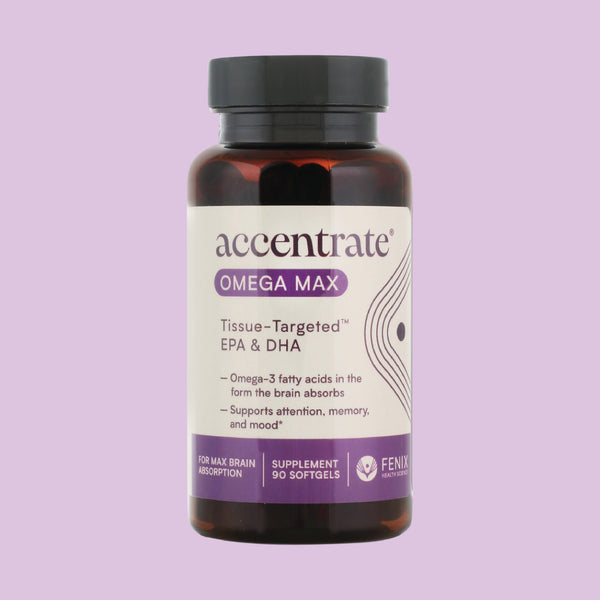
Accentrate® Omega Max provides higher levels of EPA and DHA for adults seeking stronger mood support. Omega-3s help maintain healthy brain cells and stabilize mood by supporting dopamine levels and neurotransmitter production. This helps reduce mood changes and improve emotional resilience.
Get your Accentrate® Omega Max today!
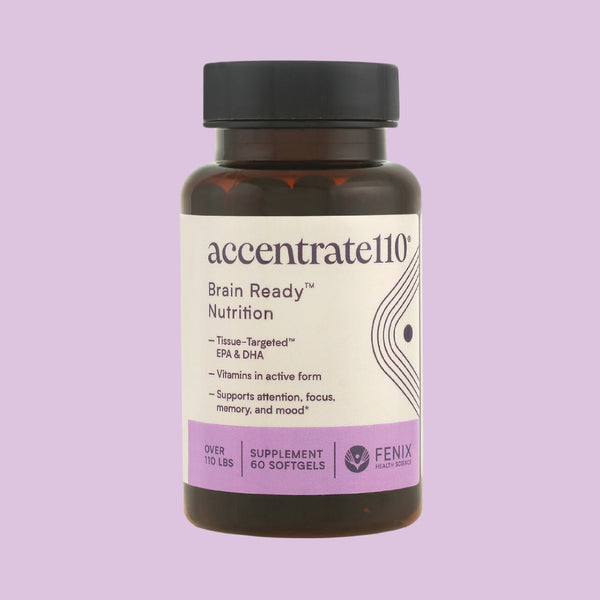
Accentrate® Neuro 110 provides a complete B complex designed to support brain health in individuals over 110 pounds. It includes active forms of essential B vitamins such as methylcobalamin (B12), L-methylfolate, and Pyridoxal-5-phosphate (B6). These nutrients support cell metabolism and neurotransmitter production. B vitamins play a key role in regulating mood and supporting emotional stability, especially in individuals experiencing stress-related mental fatigue.
Get your Accentrate® Neuro 110 today!
Accentrate® Neuro-X is designed for individuals who are sensitive to methylated vitamins. This formulation still supports neurotransmitter regulation and brain function while providing nutrients in forms that are easier for sensitive individuals to tolerate.
Get your Accentrate® Neuro-X today!
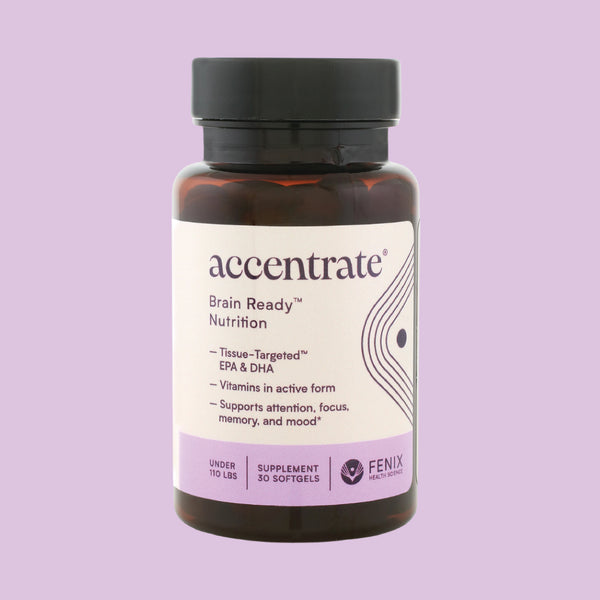
Accentrate® combines omega-3 fatty acids with active vitamins to support attention, focus, memory, and mood in children under 110 pounds. This combination supports neurotransmitter production, brain health, and emotional balance.
Get your Accentrate® today!
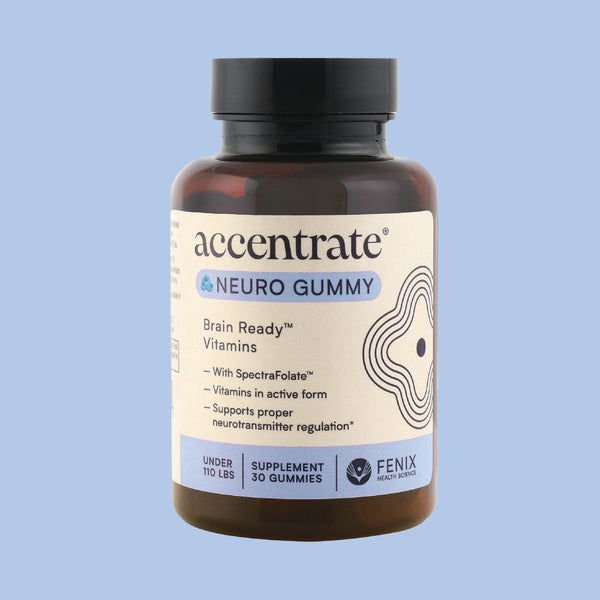
Accentrate® Neuro Gummy provides a complete B-complex in a kid-friendly gummy format. Featuring SpectraFolate®, this supplement supports proper folate utilization and neurotransmitter production. It also includes vitamin C, vitamin D, and tyrosine, an amino acid involved in dopamine production and mood regulation.
Get your Accentrate® Neuro Gummy today!
Supplements can provide important mood support, but they work best when combined with healthy lifestyle habits. Improving sleep hygiene is one of the most powerful ways to support emotional stability. Consistent sleep helps regulate neurotransmitter activity and restore brain function. Maintaining stable blood sugar levels also supports mood regulation. Balanced meals that include protein, healthy fats, and complex carbohydrates help prevent emotional dips. Obtaining nutrients from whole food sources such as leafy greens, fatty fish, and nuts also supports long-term brain health. Regular physical activity improves stress resilience and helps reduce anxiety levels. Movement supports neurotransmitter production and reduces stress hormones. Stress management practices such as meditation, breathing exercises, and mindfulness can also help reduce stress. Finally, limiting caffeine and alcohol can help prevent mood instability and support overall emotional well-being.
Adolescence is a period of intense emotional development. Hormonal shifts during puberty can influence mood swings, emotional expression, and stress sensitivity. During this time, the brain is still developing systems responsible for emotional regulation and decision-making. Proper nutrition plays a key role in supporting teen brain development. Ensuring adequate intake of key nutrients such as omega-3 fatty acids, B vitamins, and minerals can help support emotional resilience and improved focus. Parents should also encourage healthy coping strategies, such as exercise. Adequate sleep and open communication are needed. Consulting health care providers may be important if irritability becomes severe. Emotional challenges can sometimes signal deeper concerns, such as moderate depression that requires professional support.
The best supplements for irritability depend on the underlying cause. Magnesium is often recommended for nervous system support, while omega-3 fatty acids help support brain health and mood regulation. B vitamins can also help if irritability is related to fatigue.
Common deficiencies linked to irritability include magnesium, vitamin D, iron, and B vitamins. These nutrients support neurotransmitter production, brain function, and emotional stability.
In some cases, healthcare providers may recommend antidepressant medication, particularly if irritability is linked to persistent mood disorders. For severe irritability, supplements that support the nervous system may help. Options may include magnesium glycinate, L-theanine, or herbal supplements. However, persistent irritability may require evaluation by a healthcare professional.
Supplements that support mood include omega-3 fatty acids, vitamin D, B-complex vitamins, probiotics that support gut health, and adaptogens that help the body adapt to stress. Severe mood swings may occasionally indicate underlying conditions such as bipolar disorder, which requires professional medical evaluation and treatment.
Vitamins that support mood include B6, B12, folate, and vitamin D. These nutrients help regulate neurotransmitter activity and support dopamine levels involved in emotional well-being. Individuals taking blood thinners or other medications should consult a healthcare professional before starting new dietary supplements.
Irritability is often the body’s way of signaling that something is out of balance. Stress, hormonal changes, and lifestyle factors can all influence emotional stability. Supporting brain health through proper nutrition and healthy habits can help restore balance in neurotransmitter activity and improve mood regulation. Many people experience improved emotional resilience, mental clarity, and overall well-being by addressing the root causes of irritability and supporting the nervous system with the right nutrients.
Diotaiuti, P., et al. (2025). The gut microbiome and its impact on mood and decision-making. PMC Articles.
Hallahan, B., & Davis, J. (2014). Omega-3 fatty acids and depression: Scientific evidence and biological mechanisms. Nutrients, 6(3), 1146–1164.
Papakostas, G. I. (2009). Tolerability of antidepressants: The importance of the patient's perspective. The Journal of Clinical Psychiatry, 70(Suppl 5), 18–22.
Shukla, K. K., Mahdi, A. A., Ahmad, M. K., Shankhwar, S. N., Rajender, S., & Jaiswar, S. P. (2009). Evidence for the involvement of the monoaminergic system in the antidepressant-like effect of magnesium. Progress in Neuro-Psychopharmacology & Biological Psychiatry, 33(2), 235–242.
These statements have not been evaluated by the Food and Drug Administration. This product is not intended to diagnose, treat, cure, or prevent any disease.

