



Best Supplements for Irritability: 8 Natural Options That Support Emotional Balance
Irritability often signals deeper imbalances in stress, hormones, nutrition, or sleep. Supporting brain health with key nutrients can help restore mood stability.

Sorry, looks like we don't have enough of this product.


Staying focused used to feel simple. Today, it feels like a constant battle. Between endless notifications and fast-paced routines, many people (both children and adults) struggle to maintain attention. This modern focus crisis isn’t just about distractions. It’s also about what the brain is missing. When nutrition falls short, the brain doesn’t get the fuel it needs to perform. That’s where the best supplements for attention come in. The right supplements can help bridge the gap between feeling scattered and staying dialed in. They don’t replace healthy habits, but they can support the brain’s natural ability to focus, regulate mood, and perform at its best. This guide explores the most effective, science-backed options, especially natural supplements for attention and how they support long-term brain health for everyone.
Modern life constantly pulls your attention in different directions. Social media, multitasking, and information overload all compete for mental space. Over time, this can disrupt dopamine levels, the key driver behind focus. The neurotransmitter dopamine plays a major role in attention. When dopamine signaling becomes inconsistent, it becomes harder to stay engaged, complete tasks, or manage symptoms like forgetfulness.
Poor sleep duration and low-quality diets only worsen the situation. These factors directly impact overall brain health. Many people also experience overlapping issues such as anxiety, brain fog, or low motivation, which further reduce the ability to focus. Addressing these root causes often requires a combination of lifestyle changes and targeted nutritional support. For a deeper look at whether supplements enhance cognitive performance, explore the guide on brain supplements.
Nootropics are substances that support mental performance. Some are synthetic, while others are natural supplements for attention derived from vitamins, minerals, and amino acids. Nootropics aim to support the brain and improve cognitive performance over time. Researchers continue to expand this field. Some studies reporting benefits show promising results (Malik & Tlustoš, 2022), others highlight limited evidence depending on the ingredient and dosage (Suliman et al., 2016). That’s why quality, formulation, and bioavailability matter. The best approach focuses on nutrients the brain already uses, delivered in forms it can absorb and utilize effectively.
Even the best supplement cannot replace the fundamentals. Sleep, diet, movement, and stress management remain essential. Consult a doctor before making decisions if you’re managing underlying health problems or considering changes alongside medication. Use supplements to support, not replace, strategies for treating ADHD. When used correctly, they can enhance effectiveness, but poor choices or excessive intake may worsen health problems.
Before targeting specific solutions, it’s important to address one's nutritional bases. Many attention challenges stem from deficiencies rather than a lack of willpower.
Omega-3s are essential for brain structure and function. These fatty acids form the foundation of brain cell membranes and support communication between neurons. Low intake of omega-3 fatty acids has been linked to reduced cognitive performance, including attention. Many people rely on fish oil supplements to meet their needs, especially when dietary intake of fish oil is low. Omega-3s also support dopamine levels, helping improve motivation and focus while contributing to overall brain health.
Magnesium plays a critical role in calming the nervous system. It helps regulate stress responses and supports sleep, both essential for attention. In addition to supporting focus, magnesium also contributes to bone health, making it an important mineral for overall wellness. Many people don’t get enough magnesium through diet alone, making magnesium supplements a valuable addition. Research suggests that magnesium helps reduce irritability, support relaxation, and improve attention, especially in individuals with ADHD (Eftekhari et al., 2020). It also plays a role in reducing anxiety, which can otherwise interfere with focus.
B vitamins are essential for brain energy production and neurotransmitter synthesis. Without them, the brain struggles to maintain consistent performance. Important nutrients like vitamin B6, B12, and folate support the production of neurotransmitter dopamine, which directly affects focus and mood. Other important vitamins, such as vitamin C and vitamin D, contribute to overall brain function and immune support. Together, these nutrients form the foundation for sustained mental clarity.
Low iron levels can significantly impair attention. Iron helps transport oxygen to the brain, and the body needs it to store iron efficiently for proper function. An iron supplement may help individuals with deficiencies, especially when symptoms resemble ADHD symptoms. Similarly, zinc plays a crucial role in brain signaling. Healthy zinc levels support dopamine activity and emotional regulation. Zinc supplements may improve focus. Many people overlook these minerals, yet they can have a major impact on attention, reducing symptoms of ADHD in some cases.
While foundational nutrients matter, targeted formulations offer more precise support. These products combine science-backed ingredients in highly bioavailable forms.
Designed for individuals over 110 lbs, this formula delivers advanced omega-3s using LPC-bound EPA and DHA. These nutrients cross into the brain more efficiently, supporting cognitive performance, focus, and mood.
Get your Accentrate® Omega 110 today!
This formula provides the same brain-targeted omega delivery in a child-appropriate dose. It supports children with ADHD by promoting attention, emotional balance, and overall brain function.
Get your Accentrate® Omega today!
This supplement delivers B vitamins in their active forms, improving absorption and supporting cognitive function. It plays a key role in supplementation strategies for adults experiencing fatigue or poor focus.
Get your Accentrate® Neuro 110 today!
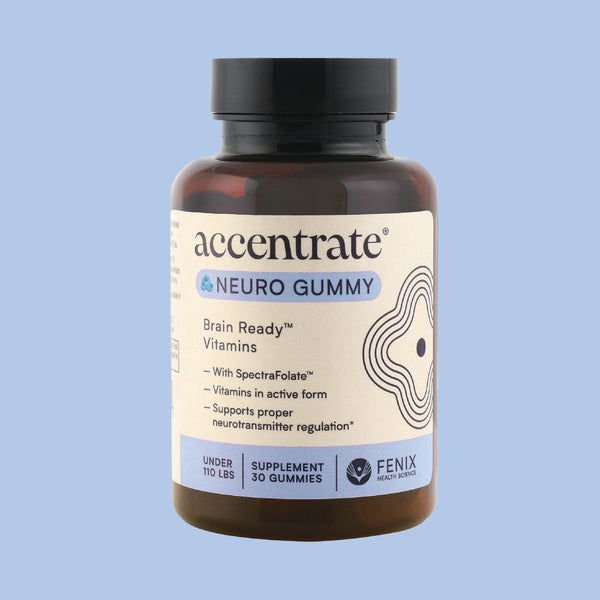
A child-friendly option that combines essential vitamins with tyrosine to support dopamine levels, especially for kids who hate pills. It helps maintain focus, mood, and learning capacity in growing children.
Get your Accentrate® Neuro Gummy today!
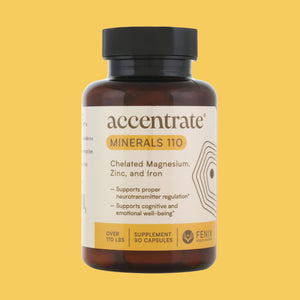
This formula includes chelated minerals for better absorption and fewer digestive issues. It supports neurotransmitter balance and delivers key nutrients like magnesium, zinc, and iron.
Get your Accentrate® Minerals 110 today!
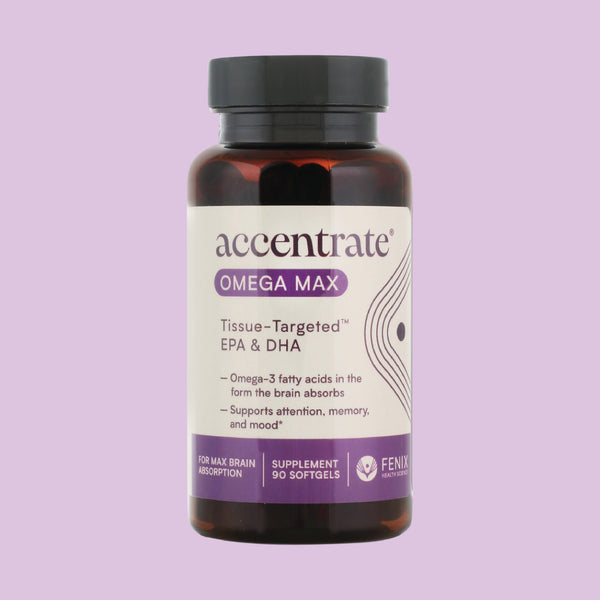
For individuals needing stronger support, this formula delivers higher levels of EPA and DHA for enhanced brain function and sustained attention.
Get your Accentrate® Omega Max today!
Designed for those sensitive to methylated vitamins, this formula still supports neurotransmitter balance without triggering unwanted reactions.
Get your Accentrate® Neuro-X today!
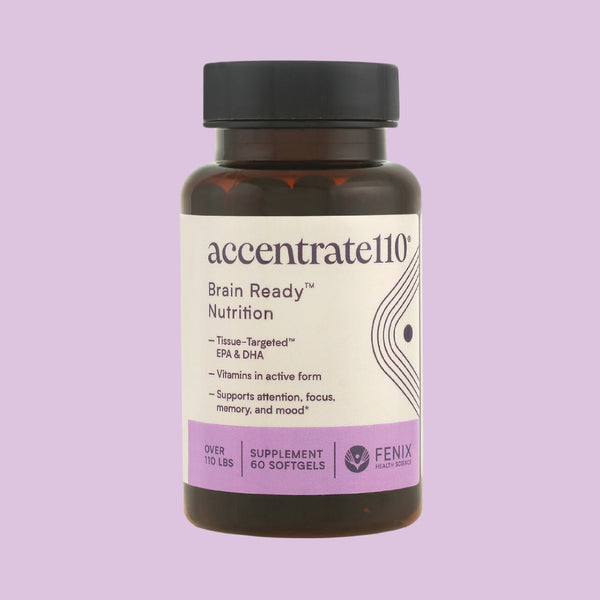
Combines omega-3s and active vitamins to support focus, memory, and mood in one comprehensive solution.
Get your Accentrate110® today!
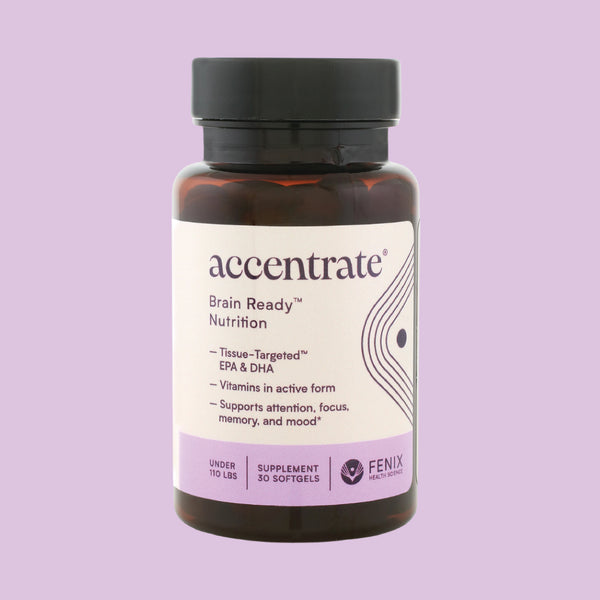
A complete formula designed specifically for children, supporting attention, emotional regulation, and learning.
Get your Accentrate® today!
Provides essential mineral support for children, helping regulate mood and attention while avoiding gastrointestinal discomfort.
Get your Accentrate® Minerals today!
Many people try many supplements individually, but a well-formulated product often delivers better results than relying on a single supplement. Consistent supplementation leads to measurable improvement over time.
ADHD affects attention, behavior, and emotional regulation. Common symptoms of ADHD include difficulty concentrating, hyperactivity, impulsivity, and forgetfulness. In many patients, these symptoms overlap with nutrient deficiencies. It has been shown that low iron, magnesium, or omega-3 intake can mimic or worsen ADHD symptoms. While supplements cannot replace medical care, complete nutrition and lack of deficiencies help practitioners determine a proper baseline when determining treatment plans.
Traditional ADHD meds and ADHD stimulants work quickly by altering brain chemistry. However, they may come with side effects, such as the rebound effect (when symptoms return stronger than before once a treatment stops working). Some individuals prefer natural options, especially when avoiding long-term reliance on prescription medications. Supplements offer a slower, more supportive approach. They aim to nourish the brain rather than override its function. Zinc and Iron supplementation has been shown to have a synergistic effect with medication. For some, combining both approaches under professional guidance yields the best results.
Quality sleep is essential for attention. Poor sleep reduces focus, memory, and emotional control. Supporting consistent sleep duration helps regulate brain function. Some individuals use melatonin supplements to help fall asleep, but long-term habits matter more than quick fixes. Habits like maintaining a consistent sleep schedule, aiming for adequate sleep duration, reducing screen exposure before bed, using dim lighting in the evening, and creating a wind-down routine help your sleep health.
Exercise increases brain-derived neurotrophic factor (BDNF), which supports learning and memory. Regular movement improves focus naturally and enhances the benefits of supplements. Consistency matters more than intensity. The goal is to make it a regular part of daily life. Start with 20–45 minutes of aerobic exercise daily. Consider sustainable activities such as walking, cycling, swimming, team or individual sports. For children, unstructured play can be just as effective.
Practicing mindfulness strengthens attention over time. It trains the brain to stay present, reducing distractions and improving clarity. Breathing exercises help. Individuals should focus on slow, controlled breathing, which helps regulate the nervous system and stabilize dopamine levels (which play a key role in attention). Guided meditation with structured audio sessions can help beginners stay engaged while training their focus. One can try body scanning as well. This technique builds awareness of physical sensations, helping individuals stay present and reduce mental overstimulation.
A healthy diet stabilizes energy levels and supports brain function. Whole food sources rich in protein, healthy fats, and micronutrients help maintain focus throughout the day. Avoid processed foods. Pick complex carbohydrates as they release glucose slowly, providing a consistent energy source for the brain. This helps maintain focus and prevents the sharp rises and falls in blood sugar that can disrupt attention.
The best supplements for attention don’t work in isolation. They deliver the greatest benefit when paired with strong habits such as sleep, movement, and a nutrient-rich diet. Together, these strategies support overall brain health and create lasting change. By focusing on high-quality, bioavailable nutrients and consistent routines, both children and adults can build a foundation for better focus, improved mood, and long-term mental clarity. True progress doesn’t come from quick fixes but rather from supporting the brain in the way it was designed to function.
Eftekhari, M. H., Simani, L., Khalaji, N., Sedaghat, F., & Najafi, M. (2020). Effect of vitamin D and magnesium supplementation on behavior problems in children with attention-deficit hyperactivity disorder. International Clinical Psychopharmacology, 35(4), 215–221.
Malík, M., & Tlustoš, R. (2022). Nootropics as cognitive enhancers: Types, dosage, and side effects of smart drugs. Nutrients, 14(16), 3367.
Salehi, B., et al. (2016). Omega-3 and zinc supplementation as complementary therapies in children with attention-deficit/hyperactivity disorder: A randomized, double-blind, placebo-controlled trial. Journal of Child Neurology, 31(3), 348–355.
Suliman, N. A., et al. (2016). Establishing natural nootropics: Recent molecular insights into their mechanisms of action. Evidence-Based Complementary and Alternative Medicine.
These statements have not been evaluated by the Food and Drug Administration. This product is not intended to diagnose, treat, cure, or prevent any disease.
