


Fenix Health vs. Neuro IQ: What’s the Difference?
Compare Fenix Health Science and Neuro Tech IQ for brain health, focus, memory, and cognitive support. Explore ingredients, omega-3s, product options, and approaches to wellness.

Sorry, looks like we don't have enough of this product.


Interest in longevity, cognitive wellness, and personalized nutrition has brought certain fatty acids into wider discussion. Two names pop up in the same conversations: Fatty15 and Lysoveta.
Fatty15 supplies C15:0, also known as pentadecanoic acid. It's an odd-chain saturated fatty acid studied for its possible involvement in cell-membrane composition, mitochondrial activity, and metabolic signaling (Venn-Watson et al., 2020b).
Lysoveta takes a different approach. It supplies eicosapentaenoic acid (EPA) and docosahexaenoic acid (DHA) attached to lysophosphatidylcholine (LPC). This molecular form is relevant to brain nutrition because a transporter called MFSD2A carries LPC-bound DHA across the blood-brain barrier (Nguyen et al., 2014; Blades et al., 2025).
The two ingredients are sometimes compared because both are positioned within advanced fatty-acid nutrition. However, they don't supply the same nutrients or follow the same pathways.
This Fatty15 vs. Lysoveta comparison examines the science behind two emerging nutritional approaches. It explains what each ingredient contains, how its proposed mechanism works, what human and laboratory studies have found, and why the two should not be viewed as direct substitutes.
What Makes a Fatty Acid “Essential”?
What Is Fatty15?
How Interest in C15:0 Developed
How C15:0 May Work
What Human Research on C15:0 Shows
Scientific Questions and Limitations
What Is Lysoveta?
How Interest in LPC Omega-3s Developed
How LPC-EPA and LPC-DHA May Work
What Research on LPC Omega-3s Shows
Scientific Questions and Limitations
Fatty15 and Lysoveta: A Scientific Comparison
Can Fatty15 and Lysoveta Substitute for One Another?
Why Are Fatty15 and Lysoveta Compared?
What the Current Scientific Literature Suggests
Frequently Asked Questions
Conclusion

[Photo by Science Photo Library on Canva.]
An essential nutrient is one your body needs but can't produce enough of. You have to get it from food or another dietary source.
The two recognized essential fatty acids are linoleic acid, an omega-6 fatty acid, and alpha-linolenic acid, or ALA, an omega-3 fatty acid. Your body can't make these starting fatty acids, although it can use them to produce some other omega-6 and omega-3 fatty acids (National Institutes of Health Office of Dietary Supplements, 2025).
The body can convert ALA into eicosapentaenoic acid (EPA) and then into docosahexaenoic acid (DHA). However, the body only converts a small amount, and conversion rates are different between people. Getting preformed EPA and DHA through marine foods or supplements is a more direct way to increase your dietary intake of these long-chain omega-3s (National Institutes of Health Office of Dietary Supplements, 2025).
Omega-3 and omega-6 fatty acids are unsaturated fats. EPA and DHA are polyunsaturated fats because their structures contain more than one double bond. Although omega-3s are often described as healthy fats, this label doesn't explain the different ways individual fatty acids behave in the body.
EPA and DHA are long-chain omega-3 fatty acids. EPA is involved in several signaling and metabolic processes, while DHA is an important structural component of cell membranes, particularly in the brain and retina (National Institutes of Health Office of Dietary Supplements, 2025).
Researchers studying Fatty15 have suggested that C15:0 may be an “emerging essential fatty acid.” This is partly because the amount of C15:0 in the diet can affect its level in the blood, and laboratory studies show that purified C15:0 can produce measurable biological effects (Venn-Watson et al., 2020b).
This classification hasn't been accepted by major nutrition authorities. There isn't currently a recommended dietary intake for C15:0.
Here's how each fatty acid is classified:
ALA has formally recognized essential status.
EPA and DHA have established biological roles but aren't classified in the same way as ALA in US dietary guidance.
C15:0's proposed essential status is still under scientific discussion.
The expression “emerging essential fatty acid” is more of a research hypothesis rather than a nutritional classification.
Fatty15 is a branded nutritional supplement containing C15:0, or pentadecanoic acid. C15:0 pentadecanoic acid is an odd-chain saturated fat because it contains 15 carbon atoms. Unlike more common even-chain saturated fats (like C16:0 or C18:0), C15:0 has an odd number of carbon atoms. As a saturated fatty acid, its carbon chain contains no carbon-carbon double bonds. (Venn-Watson et al., 2020b).
Whole-fat dairy products are one natural source of C15:0, although they also contain other nutrients and even-chain fatty acids. Smaller amounts are present in certain meats, fish and some plants (Venn-Watson et al., 2020b).
For many years, nutrition researchers treated circulating C15:0 as a dietary biomarker. A higher blood level was often interpreted as a sign that a person consumed more dairy fat (Risérus & Marklund, 2017).
Recent research asks a different question: could C15:0 have direct biological activity rather than a marker of diet?
Part of the current interest grew from research involving bottlenose dolphins in the US Navy Marine Mammal Program. In one controlled study, researchers changed the types of fish consumed by a group of dolphins. The modified diet increased their intake of several odd-chain fatty acids. It was associated with higher circulating C15:0 and C17:0, as well as changes in selected blood and metabolic measurements (Venn-Watson et al., 2020a).
Importantly, the dolphins’ diets changed in different ways at once. The study couldn't establish that C15:0 caused the observed differences. However, it still helped to generate interest in purified C15:0, encouraging further studies.
Researchers are studying how C15:0 behaves at a cellular level. This includes its possible effects on mitochondrial function, membranes, and signaling pathways in different cell types.
Every human cell is surrounded by a membrane made primarily from fats and proteins. The membrane controls the substances that enter and leave the cell. It also helps receptors, enzymes, and signaling molecules function within the correct physical environment.
A membrane’s fatty-acid composition influences properties such as flexibility and stability. Laboratory research has found that C15:0 can become incorporated into cell membranes. Researchers have proposed that this may change some membrane properties under controlled experimental conditions (Venn-Watson et al., 2020b).
This provides one possible explanation for C15:0’s biological activity. It doesn't establish that taking a C15:0 supplement produces meaningful membrane-related outcomes in the general population.
Mitochondria are the structures inside cells that help convert nutrients into usable energy. Early laboratory studies examined whether C15:0 affects mitochondrial measurements and the production of reactive oxygen species. Reactive oxygen species are unstable molecules produced during normal cellular activity. Excessive levels can damage proteins, DNA, and membrane fats (Venn-Watson et al., 2020b).
Some experiments have reported changes after cells were exposed to C15:0. The response hasn't always been linear, and it indicates that a larger amount didn't produce a stronger result (Venn-Watson et al., 2020b).
Cell studies are useful for identifying possible mechanisms. However, they can't fully reproduce digestion, metabolism, tissue distribution, or the complexity of a living person.
C15:0 has also been studied in relation to AMPK and mTOR. AMPK helps cells sense and respond to changes in energy availability. mTOR contributes to cell growth, protein production, and nutrient sensing.
Laboratory research has suggested that C15:0 may influence these pathways under certain experimental conditions (Venn-Watson et al., 2020b). The findings have attracted attention because AMPK and mTOR often come up in the context of cellular-aging research.
However, changing a signaling pathway in isolated cells doesn't demonstrate slower aging, or a predictable health outcome in people. Both pathways perform essential functions, and a change isn't beneficial just because it happens.
Lipid peroxidation is a form of oxidative damage that affects the fats in membranes. Polyunsaturated fatty acids contain several double bonds, which can make them more vulnerable to oxidation under certain conditions. C15:0 is saturated, so it doesn't have double bonds.
Researchers have explored whether incorporating C15:0 into cell membranes could affect their stability or resistance to oxidative damage (Venn-Watson et al., 2020b). This is a mechanistic research question. It shouldn't be interpreted as evidence that C15:0 prevents cellular aging or protects people from a particular condition.
Human research on purified C15:0 is limited. One small randomized trial included 30 young adults with overweight or obesity. Participants received either 200 milligrams of C15:0 or a placebo each day for 12 weeks.
The trial’s clearest finding was that supplementation increased circulating C15:0, confirming that the body can absorb orally consumed C15:0. Researchers also reported exploratory differences in selected measurements among participants who reached higher blood concentrations. However, the study was small, and those subgroup findings need to be confirmed by larger trials (Robinson et al., 2024).
Current human evidence therefore shows that oral supplementation can increase C15:0 levels in the blood. It doesn't establish broad metabolic, cellular, or long-term clinical benefits.
There are still unanswered questions about C15:0:
To qualify as essential, a nutrient must perform a necessary biological role that internal production can't support. Mainstream nutritionists treat C15:0's essential status with skepticism because the human body does, in fact, obtain C15:0 through internal pathways—namely via gut microbial fermentation of dietary fibers and endogenous fatty acid elongation. Rather than a missing essential nutrient, circulating C15:0 may simply be a biomarker of overall diet quality and gut microbiome activity. (Venn-Watson et al., 2020b).
However, evidence suggests that circulating C15:0 may reflect more than direct dietary intake. Internal metabolic pathways and microbial activity may also contribute to odd-chain fatty-acid levels (Risérus & Marklund, 2017; Yang et al., 2025).
The existence of some internal production wouldn't mean dietary C15:0 is irrelevant. It would, however, make its status more complicated than that of a conventionally recognized essential nutrient.
Population studies have often found associations between higher C15:0 levels and more favorable metabolic patterns. These studies don't establish that C15:0 caused the observed pattern. Higher levels may also reflect dairy or seafood intake, overall dietary quality, lifestyle, internal metabolism, or differences between study populations.
A 2026 analysis of CARDIA and ARIC data found modest associations between higher plasma C15:0 and lower blood pressure measurements, as well as a lower observed incidence of hypertension. However, C15:0 wasn't associated with new cardiovascular disease events or measures of cardiac structure and function. A Mendelian-randomization analysis also found no evidence that C15:0 caused the observed differences (Steffen et al., 2026).
The origin of the research and much of the mechanistic literature promoting C15:0 as a cellular longevity molecule has been conducted or funded by stakeholders with direct commercial interests in the ingredient. .
A disclosed conflict doesn't invalidate a study, but it makes independent replication especially important. Confidence would be higher if unrelated research groups reproduced the findings in larger populations, over longer periods, and with clearly defined primary outcomes.

At this stage, the central question around Fatty15 is whether promising mechanistic findings translate into meaningful effects in people. Lysoveta presents a different evidence profile. Rather than proposing a new essential fatty acid, it supplies the established omega-3 fatty acids EPA and DHA in a specialized LPC-bound form. Its main scientific question is therefore less about whether the nutrients themselves have biological roles and more about whether this delivery form changes how efficiently DHA becomes available to the brain.
Lysoveta is a specialized omega-3 ingredient containing EPA and DHA attached to lysophosphatidylcholine. Lysoveta is a form of omega-3 nutrition. Lysoveta specifically supplies LPC-bound EPA and DHA. This LPC structure is central to the ingredient’s scientific rationale.
Traditional fish oil supplements commonly provide EPA and DHA as natural triglycerides, re-esterified triglycerides, or ethyl esters (National Institutes of Health Office of Dietary Supplements, 2025).
Krill oil is different from many fish oils because a large part of its EPA and DHA is carried within phospholipids, with phosphatidylcholine being the most abundant form. However, “phospholipid” is a broad category. It doesn't mean all phospholipid-bound omega-3s have the same structure or follow the same transport pathway (Johnsen et al., 2015; Loukil et al., 2026).
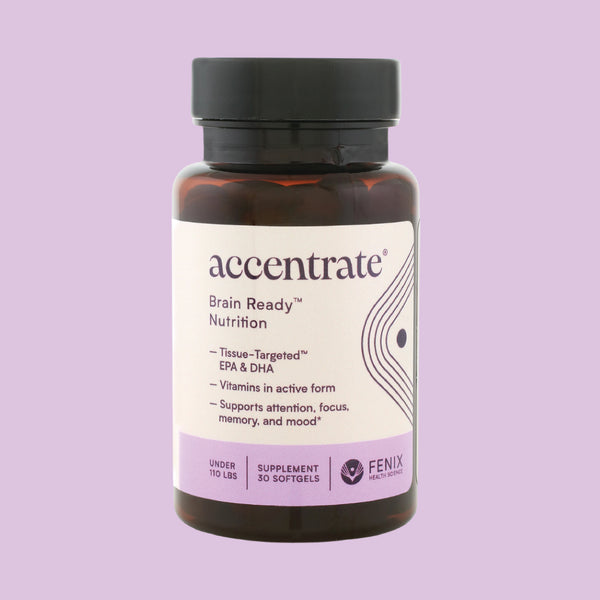
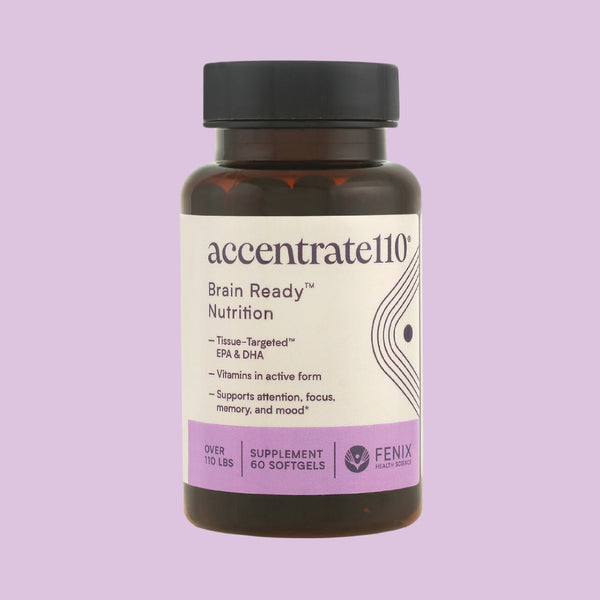
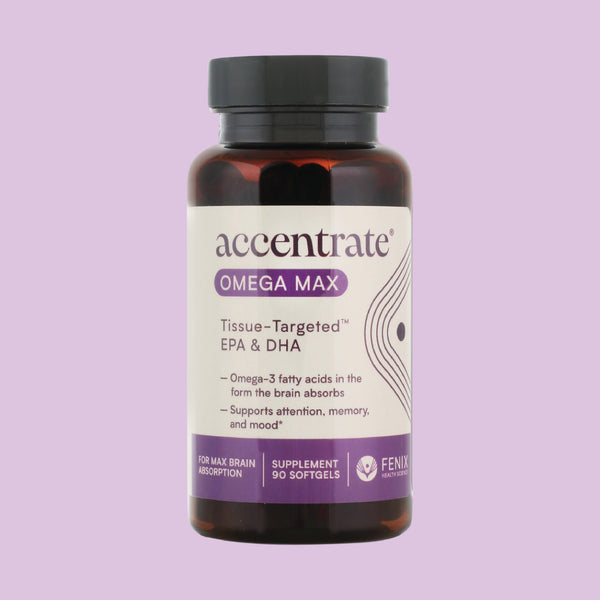
Fenix Health Science uses Lysoveta in selected Accentrate Omega products as part of its research-led approach to advanced omega-3 nutrition.

Unlike many supplement concepts that start in marketing departments, the interest in LPC-bound omega-3s stems from groundbreaking academic neurobiology. DHA is recognized as an important part of brain-cell membranes. However, the brain can't produce enough DHA and depends on DHA supply from the circulation (Nguyen et al., 2014).
This creates a transport challenge because the brain is protected by the blood-brain barrier. The blood-brain barrier is a tightly regulated boundary formed largely by specialized cells lining brain blood vessels. Many substances can't pass through it freely.
In 2014, researchers identified MFSD2A as a major transporter involved in carrying DHA across the blood-brain barrier. Importantly, the transporter didn't move unbound DHA in the same way. It recognized DHA when it was attached to LPC (Nguyen et al., 2014).
Later structural studies examined MFSD2A at the molecular level. They helped explain how the transporter binds LPC-linked fatty acids and moves them through the cell membrane (Bergman et al., 2023; Nguyen et al., 2023; Blades et al., 2025).
These structural biology studies confirm that MFSD2A operates like a precision lock-and-key system: it specifically recognizes the single-tail zwitterionic structure of lysophosphatidylcholine (LPC) to ferry DHA directly into brain tissue, a pathway that free fatty acids or standard triglycerides cannot directly utilize.
These discoveries led to greater interest in LPC-DHA as a distinct transport form. They also created the scientific basis for developing ingredients that supply DHA already attached to LPC.

To understand Lysoveta, you have to distinguish between phosphatidylcholine and lysophosphatidylcholine.
Phosphatidylcholine, often shortened to PC, is a common phospholipid found in cell membranes and lipid-based foods. A typical PC molecule has a phosphate-containing head and two fatty-acid chains. LPC usually has the same general head structure but only one fatty-acid chain.
Removing one chain changes the molecule’s shape. This affects how it interacts with enzymes and other structures within the cell. The body can also convert PC into LPC and then convert it back again through normal lipid-remodelling pathways (Law et al., 2019). The two molecules are related, but they aren't interchangeable from a transport perspective.
Krill oil's EPA and DHA are carried within phospholipids. Phosphatidylcholine, or PC, generally makes up most of the phospholipid fraction in krill oil (Johnsen et al., 2015). However, PC isn't the same molecule as lysophosphatidylcholine, or LPC. Ordinary krill oil may contain some LPC species, particularly after digestion, but this doesn't mean that it predominantly supplies EPA and DHA in the specific LPC-bound form used in Lysoveta.
When DHA is attached to LPC, the molecule is called LPC-DHA. MFSD2A recognizes the structural features of LPC, including its phosphate-containing head group and fatty-acid chain. This allows the transporter to carry LPC-DHA across the membranes of cells forming the blood-brain barrier (Nguyen et al., 2014; Nguyen et al., 2023).
A useful simplified analogy is that DHA is the nutrient being delivered, LPC is the transport form, and MFSD2A is the transporter able to recognize that form.
Don't take the analogy too literally. Biological transport involves molecular binding, sodium-dependent changes in the transporter’s shape, and movement of the lipid through the membrane (Nguyen et al., 2023; Blades et al., 2025).
The distinction doesn't mean DHA from fish or algae oil can't reach brain tissue. After digestion and absorption, DHA enters a complex network of circulating lipids. It can be incorporated into triglycerides, phospholipids, and other lipid structures. Some DHA may be remodeled into forms that become available to the brain (National Institutes of Health Office of Dietary Supplements, 2025; Nguyen et al., 2014).
LPC-DHA is important because it is a direct substrate for MFSD2A. Researchers are studying whether DHA in this form may make delivery more efficient or predictable than relying on the body to redistribute DHA through several metabolic steps.
Lysoveta contains LPC-bound EPA as well as LPC-bound DHA. The published transporter literature is more developed for LPC-DHA because DHA is highly concentrated in brain membranes and was central to the discovery of MFSD2A (Nguyen et al., 2014; Blades et al., 2025).
EPA has a different function from DHA in the body; it doesn't build up in brain tissue to the same extent. Researchers are still studying how the body absorbs LPC-EPA and how it works alongside LPC-DHA.
The presence of both fatty acids means Lysoveta should not be described solely as a DHA ingredient. However, the strongest explanation currently centers on LPC-DHA and MFSD2A.
The evidence base for LPC omega-3s contains several layers:
The clearest evidence relates to MFSD2A itself. In the original 2014 study, researchers tested the transporter in cells and genetically modified mice. They found that MFSD2A is key to moving LPC-DHA into the brain, while unbound DHA doesn't use the same pathway (Nguyen et al., 2014).
Subsequent molecular and structural studies have added detail to this mechanism. Researchers have examined where LPC binds, how sodium contributes to transport, and how MFSD2A changes shape while moving lysolipids through a membrane (Bergman et al., 2023; Nguyen et al., 2023; Blades et al., 2025). This gives LPC-DHA a strong mechanistic foundation.
The scientific foundation for LPC-DHA transport across the blood-brain barrier is exceptionally solid in basic biology. However, a proven transport mechanism describes delivery, not guaranteed clinical results. The key scientific question for Lysoveta is not whether the body uses MFSD2A to move LPC-DHA into the brain—it undeniably does—but whether orally supplementing this specific form raises brain DHA levels significantly higher than standard omega-3s, and whether that increase yields measurable cognitive benefits in humans.
Other questions must be answered:
How much LPC-DHA is available after digestion?
How much enters the circulation in an MFSD2A-compatible form?
How much reaches human brain tissue?
How does it compare with an equivalent amount of DHA in another form?
Does greater delivery produce a meaningful functional difference?
Two registered clinical trials are evaluating Lysoveta, but they are studying different populations and outcomes.
The University of Cincinnati trial, NCT06933095, is comparing 24 weeks of LPC-EPA/DHA supplementation with conventional triglyceride-form DHA and a placebo. The study plans to enrol 153 adults aged 55 to 82 who have early signs of cognitive or memory decline. Its main outcomes include DHA levels in blood and cerebrospinal fluid, along with selected biomarkers. The estimated primary completion date is September 2029, and no results have been posted (ClinicalTrials.gov, 2025).
A separate trial, NCT07034794, is examining Lysoveta in healthy adults aged 50 to 75 with self-perceived memory problems. This randomized, triple-blind, placebo-controlled study is assessing memory, other measures of cognitive performance, mood, and omega-3 status over 112 days. As of July 2026, the study was recruiting and hadn't posted results (ClinicalTrials.gov, 2026).
These trials may provide ingredient-specific evidence, but neither currently establishes that Lysoveta improves cognitive function, mood, or mental health.
Lysoveta’s scientific rationale is specific, but it also raises questions:
MFSD2A’s role in LPC-DHA transport is well supported. The amount of orally consumed Lysoveta that finally reaches human brain tissue hasn't been established through completed clinical trials (Nguyen et al., 2014; ClinicalTrials.gov, 2026).
Blood measurements can't answer this question. Cerebrospinal-fluid or imaging-related measures may provide more relevant evidence, although each also has limitations.
A delivery mechanism isn't the same as a demonstrated benefit. Even if LPC-DHA raises DHA availability more efficiently, research must still determine whether that difference leads to measurable changes in memory, attention, mood, learning, or other functional outcomes.
Fish oil, krill oil and Lysoveta provide EPA and DHA in different lipid structures.
A 2026 randomized trial found that krill oil produced larger increases in plasma EPA and DHA than an equivalent amount supplied through fish oil. However, that study assessed circulating fatty acids rather than LPC-specific brain delivery (Loukil et al., 2026).
This illustrates an important point: blood absorption and brain transport are related but separate questions. Direct comparisons using matched doses and brain-relevant measurements are needed before one form can be considered more effective for a particular nutritional purpose.

Fatty15 and Lysoveta address different nutritional questions, and the evidence supporting them is at different stages. Fatty15 research is investigating whether C15:0 has broader cellular and metabolic significance beyond its established role as a circulating fatty-acid biomarker. Lysoveta starts with the established nutritional roles of EPA and DHA and asks a more specific question: whether supplying those fatty acids in LPC form changes their transport and availability, particularly for DHA at the blood-brain barrier.
That distinction matters when comparing the evidence. Fatty15 has a wider range of proposed mechanisms, but many remain exploratory. Lysoveta has a narrower and more clearly defined mechanism through MFSD2A, although ingredient-specific human outcome data are still developing.
|
Comparison Point |
Fatty15 |
Lysoveta |
|
Active ingredient |
C15:0 |
LPC-bound EPA and DHA |
|
Chemical classification |
Odd-chain saturated fatty acid |
Long-chain omega-3 fatty acids attached to LPC |
|
Main research focus |
Broad cellular and metabolic mechanisms |
Targeted omega-3 transport and delivery |
|
Dietary associations |
Dairy fat, certain meats and marine foods |
EPA and DHA originate mainly from marine sources |
|
Essential status |
Proposed but not formally recognized |
Supplies established long-chain omega-3 fatty acids |
|
Cell-membrane relevance |
Incorporation and membrane properties under study |
Supplies EPA and DHA used in membrane structure and signaling |
|
Primary mechanism |
Multiple proposed cellular pathways |
LPC-DHA transport through MFSD2A |
|
Blood-brain barrier relevance |
Not a defining mechanism |
Central to the scientific rationale |
|
Human research |
Small randomized trials and observational studies |
Ingredient-specific human trial underway |
|
Main strength of evidence |
Range of early mechanistic and human studies |
Strong independent evidence for the transport pathway |
|
Main uncertainty |
Clinical significance and essential status |
Whether enhanced delivery produces measurable human outcomes |
|
Replaces fish oil? |
No |
Not automatically; it is a different EPA/DHA form |
|
Substitute for the other? |
No |
No |
The biggest difference isn’t just saturated fat versus omega-3. It’s the type of scientific claim being tested. For C15:0, researchers are still working out how important the fatty acid itself may be to human nutrition and whether its laboratory effects translate into meaningful outcomes. For Lysoveta, EPA and DHA are already established nutrients; the unresolved question is whether delivering them in LPC form provides a measurable advantage over other omega-3 forms.
Lysoveta begins with a more established nutritional foundation because it supplies EPA and DHA, nutrients whose biological roles have been studied for decades. Its additional scientific rationale is also unusually specific: LPC-DHA is a recognized substrate for MFSD2A, a transporter required for normal DHA uptake into the brain. What remains uncertain is not whether EPA, DHA, or the MFSD2A pathway are biologically relevant, but whether consuming EPA and DHA in Lysoveta’s LPC-bound form produces a meaningful advantage over other omega-3 forms in humans.
Current evidence doesn't support treating Fatty15 and Lysoveta as substitutes.
C15:0 is a 15-carbon saturated fatty acid. EPA is a 20-carbon polyunsaturated omega-3 fatty acid, while DHA is a 22-carbon polyunsaturated omega-3 fatty acid (National Institutes of Health Office of Dietary Supplements, 2025; Venn-Watson et al., 2020b).
Their structures, metabolism, and established biological roles are different.
Fatty15 doesn't provide EPA or DHA. Replacing an EPA/DHA supplement with C15:0 would remove the long-chain omega-3 fatty acids supplied by fish oil, algae oil, krill oil, or Lysoveta.
C15:0 can't become DHA, reproduce DHA’s structural role in brain-cell membranes, or function as LPC-DHA within the MFSD2A transport pathway (Nguyen et al., 2014).
Fatty15 shouldn't be described as a replacement for conventional or LPC-bound omega-3s.
Lysoveta doesn't supply C15:0. EPA and DHA can't be assumed to reproduce every membrane, mitochondrial, or signaling effect investigated in C15:0 research.
Each ingredient should be evaluated according to:
The fatty acids it supplies
The mechanism under investigation
The maturity of the evidence
The intended nutritional purpose
They may be used within the same broad category of advanced fatty-acid nutrition, but that doesn't make them biologically interchangeable.
Fatty15 and Lysoveta are compared because of their market positioning rather than their chemistry. Both appear in conversations about healthy aging, cellular function, cognitive wellness, personalized nutrition, and advanced fatty-acid forms.
Today's consumers want to know more than the number of milligrams listed on a label. The chemical form of a fatty acid may influence how it is digested, circulated, transported, and used by different tissues.
But chemical novelty alone doesn’t make the two approaches equivalent. Fatty15 asks whether adding a less common fatty acid may influence multiple cellular pathways. Lysoveta asks whether changing the molecular form of familiar omega-3 fatty acids alters their delivery. One approach focuses on the potential biological significance of the fatty acid itself; the other focuses more heavily on how established fatty acids are transported.
Current evidence supports the following points with greater confidence:
C15:0 can be absorbed orally (Robinson et al., 2024).
C15:0 supplementation raises circulating C15:0 (Robinson et al., 2024).
C15:0 produces measurable biological activity in laboratory systems (Venn-Watson et al., 2020b).
DHA is an important structural fatty acid in brain-cell membranes (National Institutes of Health Office of Dietary Supplements, 2025).
MFSD2A transports DHA across the blood-brain barrier in LPC form (Nguyen et al., 2014).
LPC-bound fatty acids use a transport pathway that differs from unbound DHA (Nguyen et al., 2014; Nguyen et al., 2023).
Fatty15 and Lysoveta supply different fatty acids and are not interchangeable.
Research is continuing to examine whether:
C15:0 produces clinically meaningful effects in larger human populations.
C15:0 meets accepted criteria for an essential nutrient.
LPC-EPA/DHA supplementation changes human brain DHA delivery more effectively than conventional forms.
Enhanced DHA delivery leads to measurable functional outcomes.
Genetics, baseline omega-3 status, or age may influence responses to LPC-bound omega-3s.
Either ingredient has an established role within a long-term nutritional strategy.
Fatty15 supplies C15:0, an odd-chain saturated fatty acid studied for broad cellular and metabolic effects.
Lysoveta supplies EPA and DHA attached to LPC. Its defining feature is the use of a specific lipid form associated with the MFSD2A transport pathway.
Some researchers have proposed that C15:0 is an emerging essential fatty acid (Venn-Watson et al., 2020b).
Authorities haven't formally adopted that classification. There are still questions about internal production, required intake, dietary sources, and the consequences of low circulating levels.
LPC is a specific type of phospholipid. A typical phosphatidylcholine molecule contains two fatty-acid chains, while LPC generally contains one. This structural difference affects how the molecule interacts with enzymes and transporters (Law et al., 2019).
MFSD2A recognizes LPC-linked fatty acids, which is why the distinction matters for DHA transport (Nguyen et al., 2014).
Krill oil provides much of its EPA and DHA within phospholipids, commonly including phosphatidylcholine (Johnsen et al., 2015).
Lysoveta specifically provides EPA and DHA attached to lysophosphatidylcholine. Krill oil’s phospholipid content should therefore not be treated as identical to the LPC structure supplied by Lysoveta.
Yes. The body can digest, absorb, and redistribute DHA from foods and conventional supplements into different circulating lipid forms.
The distinction is that MFSD2A directly recognizes LPC-DHA. Researchers are investigating whether supplying DHA already attached to LPC changes the efficiency or predictability of brain delivery (Nguyen et al., 2014; ClinicalTrials.gov, 2026).
No. MFSD2A establishes a biological transport pathway. It doesn't prove that taking a specific supplement improves memory, learning, attention, or mood.
Ingredient-specific human trials are needed to determine whether greater delivery produces meaningful functional outcomes.
No. Fatty15 doesn't contain EPA or DHA and can't provide the same long-chain omega-3 fatty acids as fish oil, algae oil, krill oil, or Lysoveta.
No. Lysoveta provides LPC-bound EPA and DHA rather than C15:0. It shouldn't be expected to reproduce all the proposed effects under investigation in C15:0 research.
Fatty15 and Lysoveta provide different fatty acids, so they aren't direct substitutes. A qualified healthcare professional can assess whether either ingredient is appropriate for an individual's supplement routine.
Fatty15 and Lysoveta represent two different directions in nutritional science. Fatty15 supplies C15:0, an odd-chain saturated fatty acid being studied in relation to cell membranes, mitochondrial measurements, metabolic signaling, and selected human biomarkers. However, C15:0 hasn't been formally recognized as an essential nutrient, and its long-term clinical significance from supplementing purified C15:0 remains limited.
Lysoveta supplies established long-chain, polyunsaturated omega-3 fatty acids—EPA and DHA—in an LPC-bound form. Its rationale rests on a well-studied biological pathway: MFSD2A transports LPC-bound DHA across the blood-brain barrier. This gives Lysoveta a stronger and more specific mechanistic foundation for brain-directed omega-3 delivery than C15:0 has for broad cellular or longevity claims. (Nguyen et al., 2014; Blades et al., 2025).
This distinguishes Lysoveta from many conventional omega-3 forms. However, a strong transport mechanism isn't the same as a demonstrated human outcome. Completed comparative trials are still needed to determine how much orally consumed LPC-EPA/DHA reaches relevant tissues and whether enhanced delivery produces measurable changes in brain DHA availability or functional outcomes (ClinicalTrials.gov, 2026).
Ultimately, the evidence supports viewing Fatty15 as an interesting but still largely exploratory C15:0 intervention, and Lysoveta as an established-nutrient strategy built around a credible and testable delivery mechanism. They are neither chemical equivalents nor nutritional substitutes.
Bergman, S., Cater, R. J., Plante, A., Mancia, F., & Khelashvili, G. (2023). Substrate binding-induced conformational transitions in the omega-3 fatty acid transporter MFSD2A. Nature Communications, 14, 3391.
Blades, F., Torun Yazici, A., Cater, R. J., & Mancia, F. (2025). MFSD2A in focus: The molecular mechanism of omega-3 fatty acid transport. Physiology, 40(5), 470–483.
Chooi, Y. C., Zhang, Q. A., Magkos, F., et al. (2024). Effect of an Asian-adapted Mediterranean diet and pentadecanoic acid on fatty liver disease: The TANGO randomized controlled trial. The American Journal of Clinical Nutrition, 119(3), 788–799.
ClinicalTrials.gov. (2025). Optimizing CNS DHA delivery in elderly adults at risk for dementia (ClinicalTrials.gov Identifier NCT06933095). U.S. National Library of Medicine. Retrieved July 28, 2026.
ClinicalTrials.gov. (2026). A clinical trial to examine Lysoveta on cognitive function in healthy adults with self-perceived memory problems (ClinicalTrials.gov Identifier NCT07034794). U.S. National Library of Medicine. Retrieved July 28, 2026.
Johnsen, L., Berge, R. K., & Gudbrandsen, O. A. (2015). Krill products: An overview of animal studies. Nutrients, 7(5), 3300–3321.
Law, S. H., Chan, M. L., Marathe, G. K., et al. (2019). An updated review of lysophosphatidylcholine metabolism in human diseases. International Journal of Molecular Sciences, 20(5), 1149.
Loukil, I., Vachon, A., Çaku, A., & Plourde, M. (2026). Krill oil increases plasma omega-3 fatty acids more than fish oil in healthy adults: A double-blind randomized controlled trial. The American Journal of Clinical Nutrition, 124(1), 101346.
National Institutes of Health Office of Dietary Supplements. (2025). Omega-3 fatty acids: Fact sheet for health professionals.
Nguyen, C., Lei, H. T., Lai, L. T. F., et al. (2023). Lipid flipping in the omega-3 fatty-acid transporter. Nature Communications, 14, 2571.
Nguyen, L. N., Ma, D., Shui, G., et al. (2014). Mfsd2a is a transporter for the essential omega-3 fatty acid docosahexaenoic acid. Nature, 509(7501), 503–506.
Risérus, U., & Marklund, M. (2017). Milk fat biomarkers and cardiometabolic disease. Current Opinion in Lipidology, 28(1), 46–51.
Robinson, M. K., et al. (2024). C15:0 supplementation in young adults with overweight and obesity: A randomized controlled trial. The Journal of Nutrition, 154(9), 2763–2771.
Steffen, B. T., Jacobs, D. R., Jr., Li, A., et al. (2026). Plasma pentadecanoic acid is modestly related to cardiovascular health in CARDIA and ARIC cohorts: Observational associations without evidence of causality. Frontiers in Nutrition, 13, 1720975.
Venn-Watson, S., Baird, M., Novick, B., Parry, C., & Jensen, E. D. (2020a). Modified fish diet shifted serum metabolome and alleviated chronic anemia in bottlenose dolphins (Tursiops truncatus): Potential role of odd-chain saturated fatty acids. PLOS ONE, 15(4), e0230769.
Venn-Watson, S., Lumpkin, R., & Dennis, E. A. (2020b). Efficacy of dietary odd-chain saturated fatty acid pentadecanoic acid parallels broad associated health benefits in humans: Could it be essential? Scientific Reports, 10, 8161.
Yang, Y., Fu, Y., & Wu, C. (2025). Gut microbe-derived pentadecanoic acid could represent a novel health-promoter via multiple pathways. Food & Function, 16(12), 4636–4653.
These statements have not been evaluated by the Food and Drug Administration. This product is not intended to diagnose, treat, cure, or prevent any disease.

