



The Best Fish Oil Supplement for Your Health
Fish oil and omega-3 supplements are often used interchangeably, yet they differ significantly in their sources, structures, and how the body absorbs them.

Sorry, looks like we don't have enough of this product.


You’re not alone if you struggle to concentrate, misplace your keys, or feel like your brain just isn’t working fast enough. Many people experience brain fog symptoms such as memory problems, difficulty focusing, sluggishness, and mental fatigue. It may be a common problem, but that doesn’t make it any less frustrating.
Your brain performs at its best with the right nutrients and consistent sleep. When any of these are imbalanced, your cognitive function suffers. Fortunately, we’ve developed a range of supplements to support brain health and promote clarity and focus to help you push through brain fog moments. Scientific research supports our brain health supplements, and they work alongside healthy lifestyle habits to enhance your cognitive wellness.
This guide explores the dietary supplements that help with brain fog and the clinical studies that support them. We explain how you can incorporate natural brain fog supplements into your health and wellness strategy. We also show you the science behind our omega-3 fatty acids and B vitamins, and how products such as Accentrate® Omega, formulated with Lysoveta® LPC, and Accentrate® Neuro, may help support clearer thinking and sustained focus.
Brain fog can develop from nutrient deficiencies, poor sleep, chronic stress, or underlying health conditions, which affect your cognitive function.
Omega-3 supplements, especially eicosapentaenoic acid (EPA) and docosahexaenoic acid (DHA), have anti-inflammatory properties and supportcognitive function.
Vitamin B, especially vitamin B12, assists with energy metabolism, mood, and mental clarity.
Certain supplements play a role in supporting cognitive health, helping to maintain brain function, memory, and mood.
Nutritional supplements like Accentrate® Omega and Accentrate® Neuro may support brain clarity and focus, and healthy cognitive function as you age.
Addressing root causes and integrating lifestyle changes alongside dietary supplements is the most effective strategy to improve brain fog symptoms.
Brain fog isn’t a medical diagnosis, but it is a real and disruptive experience. People use this term to describe occasional mental fatigue or a range of symptoms that make thinking, remembering, and concentrating more difficult than usual. If you’ve ever found yourself rereading the same sentence multiple times, struggling to recall basic information, or feeling mentally drained for no apparent reason, you’ve likely experienced brain fog.
Common brain fog symptoms include:
Difficulty concentrating or holding attention
Mental fatigue or sluggish thinking
Memory loss or forgetfulness
Confusion or disorientation
Trouble processing information quickly
Brain fog can affect people of all ages and backgrounds. Some people say their thoughts feel wrapped in cotton wool, or that they’re trying to think through a thick haze.
While it may feel alarming, brain fog is usually a sign that your brain isn’t getting the support it needs. Our natural brain fog supplements, such as our Omega products, are formulated with Lysoveta LPC, an advanced form of omega, which the brain can absorb more easily.
Brain fog is a symptom, and like most symptoms, it can come from a variety of causes, which may include:
A lack of omega-3s or vitamin B12 can slow down your brain’s processing, affect your mood, and leave you feeling drained of energy. You need these nutrients to form neurotransmitters and support brain cell membranes. When these levels are too low, your cognitive function can drop, leading to memory issues and slower thought processing (O’Donovan et al., 2019; Markun et al., 2021).
Deficiencies in certain nutrients, such as vitamin C and antioxidants, can also negatively affect your mood and contribute to brain fog.
In addition, amino acids like L-theanine, a naturally occurring amino acid found in tea and mushrooms, may support cognitive health and may help improve mental fatigue (Yamaura et al., 2024).
When you sleep, your brain clears waste, repairs tissue, and consolidates memory. Sleep deprivation makes it harder for you to focus and shortens your memory span. Chronic sleep deprivation leads to inflammation in your body, which can affect your brain’s ability to function at its best (Sleep Foundation; Harvard Health).
Stress triggers the release of the stress hormone, cortisol. When your cortisol levels are too high for long periods, it can impair your memory, reduce focus, and increase brain fog.
Even multitasking and screen time can overload your brain and strain its processing capacity.
Before you start taking supplements, you need to know what’s causing your brain fog. Speak to your medical practitioner to find out which options will work best for you. Sometimes, making lifestyle changes can improve your symptoms. Other times, targeted supplementation can provide the nutritional foundation you need to improve your cognitive performance.
Omega-3s are essential fats. “Essential” means your body can’t produce them, so you have to get them through your diet or by supplementation. EPA (eicosapentaenoic acid) and docosahexaenoic acid (DHA) are especially important omega-3s for your brain health.
These fats form the structure of your brain cells. DHA helps maintain membrane fluidity. Flexible, fluid membranes enable quick signal transmission and responsive cognitive processing. EPA (eicosapentaenoic acid), meanwhile, helps to regulate mood. Omega-3 fatty acids, particularly EPA, may help with mood by supporting neurotransmitter production. It influences signaling molecules called eicosanoids, which help support emotional balance. Together, DHA and EPA protect and stabilize the brain’s internal environment, promoting mental clarity, focus, and resilience.
Studies have found associations between omega-3 status and aspects of cognitive and emotional health. Omega-3s support healthy blood flow—including to the brain—which helps deliver oxygen and nutrients important for maintaining cognitive health (O’Donovan et al., 2019; Wei et al., 2023; National Review on Omega-3, 2023).
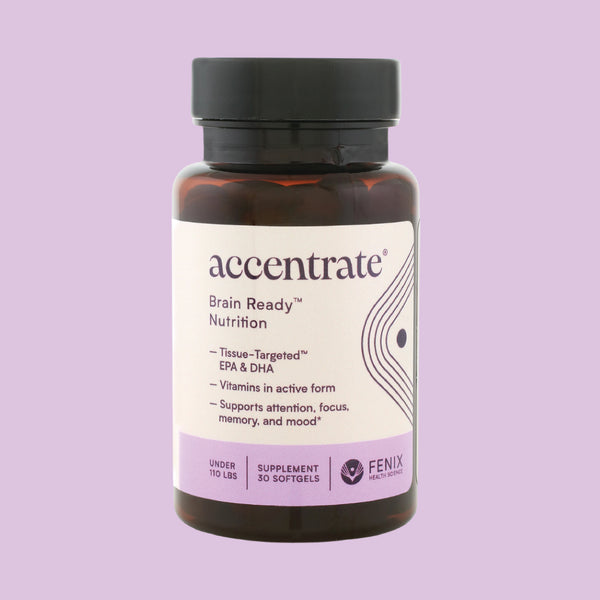
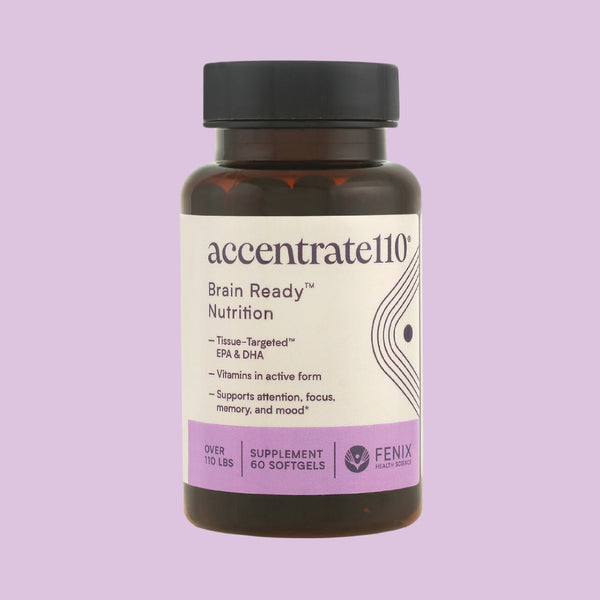
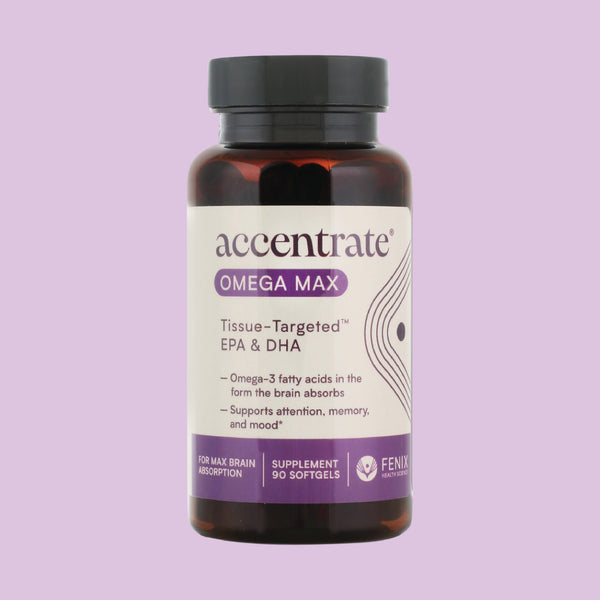
Accentrate® Omega contains a blend of highly bioavailable omega-3s for kids under 110 lbs. This daily supplement supports mental clarity, focus, and emotional regulation. It’s especially beneficial for individuals who do not consume enough fatty fish or struggle with daily focus and mood management. We’ve also developed Accentrate Omega 110 for adults over 110 lbs. and Accentrate Omega Max for people who need maximum absorption.
The benefits of omega-3 fatty acids for brain health are well-documented. Here are some of them:
Your brain cell membranes need DHA for structure. When membranes are flexible and fluid, neurons can send signals more easily. This translates to faster thinking, memory recall, and mood regulation. Maintaining healthy brain cell membranes with omega-3s may help memory by supporting efficient signal transmission (iScience review, 2024; Nature Omega‑3 Cognitive Health Review, 2023).
Studies show that omega-3s support the normal inflammatory response and oxidative stress range in the brain, both of which contribute to age-related cognitive decline (Farooqui & Farooqui, 2016; Wei et al., 2023; Sherzai & Sherzai, 2025). By assisting with free radicals and inflammation, EPA and DHA support the cells in your brain. Improved blood flow to the brain also helps with neuroprotection.
EPA helps stabilize mood. Clinical studies suggest that omega-3 supplements, particularly with higher EPA concentrations, can support mood, mental fatigue, and mental clarity (Kelaiditis et al., 2023). Omega-3s may support cognitive function and brain fog. Researchers have found that antioxidants such as vitamin C can improve mood by reducing oxidative stress and supporting mental well-being (Kim et al., 2021).
If you’ve been experiencing brain fog and start using omega-3 supplements, just remember that it may take from three weeks to three months before you notice results.
Lysophosphatidylcholine (LPC)–bound omega‑3s (EPA/DHA) use a specialized transport mechanism to cross the blood–brain barrier, a route that may deliver omega‑3s to the brain more efficiently than standard fish oil formulations in triglyceride form (Nguyen et al., 2014; Lagarde et al., 2021).
Preclinical studies show that LPC‑omega‑3 leads to greater omega‑3 accumulation in brain tissue than free fatty acid or triglyceride-bound forms, which suggests potential for better support of neuronal health and brain membrane integrity (Liu et al., 2024; Sawada et al., 2021). However, while this delivery method is promising, robust human clinical trials are still needed to confirm changes in attention, mood regulation, or cognitive clarity (Mischoulon et al., 2023; Laye et al., 2022)
Incorporating B vitamins and advanced delivery formats like LPC may offer a multi-pronged approach to supporting brain function and give you natural brain fog support. That’s why we’ve included it in our omega-3s, LPC-EPA and LPC-DHA, to support attention, memory, and mood.
If you’d like to find out more about what Lysoveta is, we’ve created an in-depth article that explains it in more detail.
B vitamins support mental energy, focus, emotional regulation, and cognitive function. Vitamin B, including B6, B9 (folate), and B12, plays a crucial role in supporting cognitive health. Vitamin B12, B6, and folate (B9) are especially beneficial.
Vitamin B12 supports red blood cell formation and maintains the myelin sheath that insulates nerve cells. A vitamin B deficiency can lead to memory loss, confusion, and mental fatigue. B vitamins, including B12, can contribute to normal memory.
Folate (Vitamin B9) helps regulate homocysteine levels. Researchers have linked high homocysteine levels to cognitive decline. Folate helps synthesize and repair DNA, a process essential for long-term brain health. Studies also show that B vitamins support improved cognitive function.
Vitamin B6 assists in neurotransmitter production. Your body needs it to produce serotonin (which affects your mood) and dopamine (which supports your motivation and attention). B vitamins, including B6, can help improve your mood by supporting neurotransmitter balance.
Even if you eat a reasonably healthy diet, factors like your age, stress levels, digestive issues, or certain medications can impair your body’s ability to absorb B vitamins. Including B vitamins in your supplement regimen can support better brain function, especially if your levels were low to begin with.
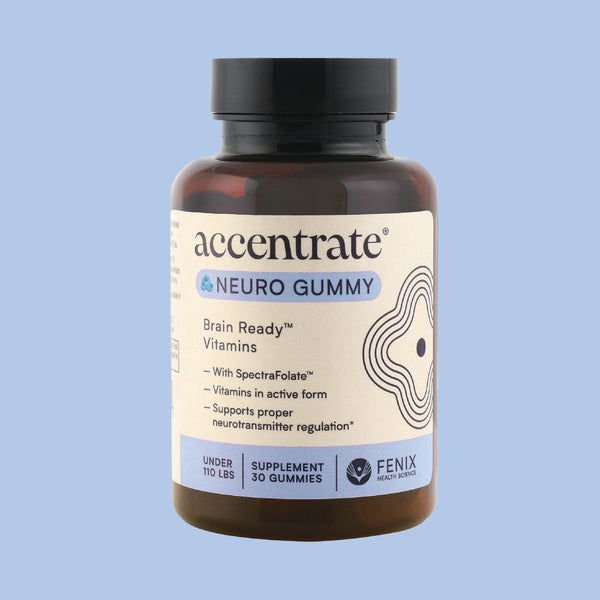
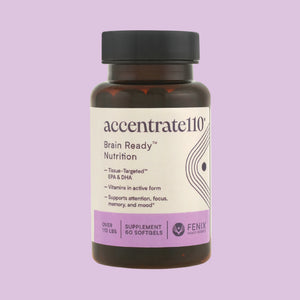
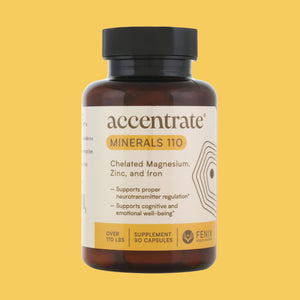
Accentrate® Neuro 110 is a complete B-vitamin formulation that promotes healthy brain function. The main components, all in their active forms for bioavailability, include L-methylfolate calcium (folate), Pyridoxal-5-phosphate (Vitamin B6), Methylcobalamin (Vitamin B12), Riboflavin-5-phosphate (Vitamin B2), Niacinamide (Vitamin B3), and more. Have a look at this article to find out how much the bioavailability of B vitamins matters.
When you’re looking for a dietary supplement to help with brain fog, focus on bioavailability and scientific evidence. Some manufacturers formulate natural brain fog supplements with nutrients that your body doesn’t absorb well, or that fail to reach the brain in effective concentrations.
The ideal brain fog supplement should offer:
Clinically studied ingredients: Such as EPA, DHA, and methylated B vitamins
Enhanced delivery systems: For example, LPC-bound omega-3s like those in Lysoveta LPC
A focus on clarity, mood, memory, and brain functions: Rather than general wellness or immune support
Supplements that combine omega-3s with B vitamins may offer synergistic support for brain function. If you’d like to find out more about how well they work together, read the Benefits of Omega 3 and Vitamin B Together.
While no supplement can replace healthy habits and a wholesome diet, these nutrients may help to:
Support brain cell membrane health
Promote efficient neurotransmitter activity
Support energy production in brain cells
Support cognitive and brain function
We designed Accentrate® Omega and Accentrate® Neuro to support these aspects of brain health. They offer support without overpromising and support cognitive performance and brain fog.
Some randomized controlled trials and clinical studies evaluating a combination of omega‑3 fatty acids and vitamin B supplementation have observed improved focus, reduced mental fatigue, or slower cognitive decline over periods of months to years, particularly when baseline omega‑3 status was adequate (Jernerén et al., 2015; Oulhaj et al., 2016). However, outcomes vary across studies, highlighting that supplementation benefits may depend heavily on baseline nutrient status, dosage, and participant characteristics (van Soest et al., 2022; Smith et al., 2010).
Always consult with a healthcare provider before adding any new supplement to your routine, especially if you’re taking medications or managing health conditions.
Omega-3s, particularly EPA and DHA, are well-known for their ability to support brain cell function. However, taking high amounts of omega-3 supplements per day can increase your risk of bleeding, and more so if you’re also taking blood thinners or anticoagulant medications.
Your body uses B vitamins, including vitamin B6, folate (B9), and vitamin B12, to produce energy, synthesize neurotransmitters, and support overall brain function. While you need to get enough of these nutrients for cognitive performance, taking too much can lead to side effects. For example, too much vitamin B6 over the long term may cause nerve damage, while high doses of vitamin B12 may cause digestive upsets or allergic reactions.
Manufacturers often include antioxidants such as vitamin C and vitamin E in brain supplements to help support immune function. However, because these vitamins are fat-soluble (especially vitamin E), taking more than the recommended amount can increase your risk of bleeding or cause gastrointestinal discomfort.
People sometimes use amino acids like L-theanine to improve mental clarity and reduce stress. While they are generally safe when you take them as recommended, high doses may cause drowsiness or interact with other medications that affect the nervous system.
It’s also important to remember that the effectiveness and safety of brain supplements can vary based on your individual health status, age, and any underlying medical conditions. Clinical trials and double blind placebo controlled studies have shown that supplements may help cognition in some groups, but not all.
While dietary supplements and lifestyle changes can make a noticeable difference to your overall brain health, they are most effective when your healthcare provider tailors them to your individual needs.
Identify nutrient deficiencies: A doctor can assess your levels of omega-3, B12, vitamin D, iron, and other essential nutrients. If you're deficient, targeted supplementation may support brain health better. If you're not deficient, omega-3 supplements may not be the answer.
Avoid interactions: If you are taking medications, some dietary supplements may interact or influence absorption. A professional can ensure your regimen is safe and compatible.
Monitor your progress: With regular check-ins, you can track improvements, adjust dosages, and evaluate how supplements like Accentrate® Omega with Lysoveta LPC are supporting your brain health goals.
Even when brain fog is temporary, getting a professional opinion can give you peace of mind and prevent issues from going unnoticed.
To support brain clarity and cognitive function, it helps to approach supplementation with intention. This is how you could integrate our brain health supplements into a well-rounded wellness routine:
Before starting any supplement routine, check your lifestyle habits. Are you getting enough sleep? Eating balanced meals? Moving your body regularly? These habits increase the effects of supplementation and support long-term results. Severe sleep deprivation can block the benefits of dietary supplements until you improve your sleep.
For general brain health and emotional regulation: Start with Accentrate® Omega. It’s ideal if your diet lacks fatty fish or if you experience temporary brain fog or have trouble focusing.
For enhanced cognitive clarity and higher dosing consistency: Consider the Accentrate® Omega Max Neuro 110-Bundle. The bundle combines the goodness of our Omega and Neuro formulations and delivers maximum absorption.
Take your supplements at the same time each day, ideally with meals that contain some fat (which improves the way your body absorbs omega-3s).
Keep a journal to record changes per day:
Mental clarity
Mood and motivation
Memory and recall
Focus and productivity
Noting subtle changes helps you measure whether the interventions are helping with brain fog.
After three months, reflect on your experience. Are you feeling clearer, more focused, less overwhelmed? If so, maintain your supplement use and lifestyle habits. If not, consider consulting a healthcare provider to explore other causes and additional support options.
Brain fog can disrupt your work, relationships, and quality of life. But you don’t have to settle for mental cloudiness. By including supportive nutrients, smart supplements, healthy habits, and professional guidance, you can lift the fog and restore your mental acuity.
We create brain health solutions that are practical, science-based, and family-focused. With products like Accentrate® Omega with Lysoveta LPC and Accentrate® Neuro, we aim to help you feel more like yourself again.
When combined with a well-rounded lifestyle and medical insight, these supplements may help with focus, mood, and support your brain through daily stressors. You deserve to feel sharp, present, and clear-headed.
Formulated for Families. Supported by Science.
O’Donovan F, Carney S, Kennedy J, Hayes H, Pender N, Boland A, Stanton A. Associations and effects of omega-3 polyunsaturated fatty acids on cognitive function and mood in healthy adults: a protocol for a systematic review of observational and interventional studies. BMJ Open. 2019;9(6):e027167.
Sherzai A, Sherzai D. A Systematic Review of Omega-3 Consumption and Neuroprotective Cognitive Outcomes. Am J Lifestyle Med. 2022.
Markun S, Gravestock I, Jäger L, Rosemann T, Pichierri G, Burgstaller JM. Effects of Vitamin B12 Supplementation on Cognitive Function, Depressive Symptoms, and Fatigue: A Systematic Review, Meta-Analysis, and Meta-Regression. Nutrients. 2021;13(3):923.
Bowman GL, Silbert LC, Howieson D, et al. Nutrient biomarker patterns, cognitive function, and MRI measures of brain aging. Neurology. 2012;78(4):241-249.
Witte AV, Kerti L, Hermannstädter HM, et al. Long-chain omega-3 fatty acids improve brain function and structure in older adults. Cereb Cortex. 2014;24(11):3059-3068.
Jernerén F, Elshorbagy AK, Oulhaj A, et al. Brain atrophy in cognitively impaired elderly: The importance of long-chain omega-3 fatty acids and B vitamin status in a randomized controlled trial. Am J Clin Nutr. 2015;102(1):215-221.
Kennedy DO. B Vitamins and the Brain: Mechanisms, Dose and Efficacy—A Review. Nutrients. 2016;8(2):68.
Yamaura K, Ishiwatari M, Okuyama Y. The Effect of L-theanine Supplementation on Cognitive Function and Stress-Related Symptoms in Healthy Adults: A Systematic Review. Curr Nutr Rep. 2024.
Lee LK, Shahar S, Chin AV, Yusoff NA. Docosahexaenoic Acid-Concentrated Fish Oil Supplementation in Mild Cognitive Impairment: A 12-Month Randomised, Double-Blind, Placebo-Controlled Trial. J Nutr Health Aging. 2012.
Farooqui AA, Farooqui T. Omega-3 Fatty Acids in Brain Health and Disease. Springer, 2016.
Wei Y, Chen Y, Yin Y. Omega-3 fatty acids and cognitive function: recent advances. Front Aging Neurosci. 2023.
Kelaiditis K, Styliadis C, Gkiatis K, et al. The Role of Omega-3 PUFAs in Mood Disorders and Cognitive Impairment: A Narrative Review. Nutrients. 2023.
Kim H, Kim HJ, Lee S, et al. Antioxidant and mood-enhancing effects of vitamin C: A narrative review. Nutr Res Pract. 2021.
Andriambelo S, Chouinard-Watkins R, Vandal M, Plourde M. Omega-3 supplementation and cognitive health: A scoping review of randomized trials. Nutrients. 2022.
Nguyen LN, Ma D, Shui G, et al. Transport of lysophosphatidylcholine-docosahexaenoic acid across the blood-brain barrier. J Neurochem. 2014.
Lagarde M, Bernoud-Hubac N, Calzada C, et al. Lysophospholipid strategies for targeting brain docosahexaenoic acid delivery. Prostaglandins Leukot Essent Fatty Acids. 2021.
Liu L, Wang X, Zhao X, et al. Lysophosphatidylcholine-omega-3 supplementation enhances brain DHA content and cognition in mice. Nutr Neurosci. 2024.
Sawada T, Saito H, Nakagawa T. Lysophosphatidylcholine DHA and brain uptake: Implications for neuroprotection. Brain Res. 2021.
Mischoulon D, Freeman MP, Carlson HE. Novel Approaches in Nutritional Psychiatry. Psychiatr Clin North Am. 2023.
Laye S, Nadjar A, Joffre C, Bazinet RP. Anti-inflammatory effects of omega-3 fatty acids in the brain: nutritional insights. Nat Rev Neurosci. 2022.
Oulhaj A, Jernerén F, Refsum H, Smith AD. Omega-3 fatty acids and B vitamins in cognitive decline: Complementary or synergistic effects? J Alzheimers Dis. 2016.
Smith AD, Smith SM, de Jager CA, et al. Homocysteine-lowering by B vitamins slows the rate of accelerated brain atrophy in mild cognitive impairment: a randomized controlled trial. PLoS One. 2010.
van Soest AP, van de Rest O, Witkamp RF, et al. B-vitamins and cognition in older adults: Review of consistent and conflicting findings. Curr Opin Clin Nutr Metab Care. 2022.
These statements have not been evaluated by the Food and Drug Administration. This product is not intended to diagnose, treat, cure, or prevent any disease.

