



What Is a Genetic Predisposition?
Learn what genetic predisposition means, how genes, family history and lifestyle influence risk, and what genetic testing can—and can’t—tell you.

Sorry, looks like we don't have enough of this product.


People tend to measure longevity in years, but reaching an older age is only part of the picture. Being able to remember important details, make decisions, stay active, and enjoy being alive is equally important. This broader understanding has shifted attention from extending lifespan to maintaining healthspan, or the years spent in good health.
Of course, brain health is integral to that conversation. Researchers have long studied omega-3 fatty acids, especially DHA, for their role in normal brain structure and function. More recently, interest has expanded beyond how much DHA a person consumes to the molecular form in which it circulates and reaches brain tissue. That's where Lysoveta and longevity intersect.
Lysoveta® provides omega-3s as lysophosphatidylcholine-bound DHA and EPA. Emerging research suggests this form may be relevant to how omega-3s enter the brain. However, the evidence is still developing, and there are still unanswered questions about its significance for human cognitive aging.

Lifespan describes how long a person lives. Healthspan focuses on how many of those years are spent in good physical and cognitive function. Someone might live into their nineties but experience limitations that affect their independence much earlier. Another person may retain mobility and cognitive functioning well into older age. The goal of healthy aging is broader than adding more years to life.
A word of caution: this distinction helps if you're evaluating supplements for longevity. Consumers searching for "supplements for life expectancy" may find products that promise to slow aging or extend life. These kinds of claims need evidence (including appropriately designed human studies). No single nutrient has been shown to guarantee a longer lifespan.
Healthy Aging Refers to the Whole Body
Staying in good health as you get older requires several interconnected systems to work well:
Cardiovascular health: Supports normal circulation and heart function.
Metabolic health: Healthy blood glucose regulation and energy metabolism.
Muscle health: Preserves strength, mobility, and physical independence.
Cognitive health: For memory, attention, and decision-making.
Mental well-being: Managing stress and relationships and getting adequate sleep.
Nutrition: Providing the protein, essential fats, vitamins, and minerals needed for normal body function.
These systems influence one another. Physical activity, for example, supports muscles while also contributing to cardiovascular fitness and metabolic health. Similarly, consistent sleep and stress management can influence mood, concentration, and daytime energy.
The most credible healthy-aging strategies combine nutrition, movement, sleep, and preventive healthcare.
A healthy brain makes it possible to be independent every day. You need to remember appointments, follow conversations, plan, shop and prepare meals, and manage finances as you get older. But as we age, changes in processing speed or memory can affect these activities, even when other aspects of our health are relatively stable.
Supporting brain health is not just to protect memory. It's also to hold attention, make judgments, sustain emotional balance, and maintain our ability to respond to new information.
Docosahexaenoic acid (DHA) is a long-chain omega-3 fatty acid that you can find in fish and seafood. It's an important structural component of neuronal cell membranes. These membranes help brain cells with normal organization and communication.
DHA is highly enriched in brain tissue relative to many other tissues. Brain DHA turnover is relatively slow; dietary intake of preformed DHA and limited conversion from alpha-linolenic acid contribute to long-term DHA status. Consumers can get DHA and another marine omega-3 fatty acid, eicosapentaenoic acid (EPA), through oily fish (like mackerel and sardines) or omega-3 supplements.
For older adults, balanced nutrition provides the raw materials needed for normal cellular function. However, if you're meeting your nutritional needs, it doesn't mean that taking supplemental DHA will improve your cognition.
Sometimes observational studies associate higher fish consumption with better cognitive outcomes. These findings are useful, but they can't establish that omega-3 intake caused the improvement. People who eat more fish may also have healthier diets, exercise regularly, not smoke, or follow other habits associated with healthy aging.
Randomized trials show a different perspective. A 2020 systematic review and meta-analysis of 38 randomized controlled trials, involving 49,757 participants, found that increasing long-chain omega-3 intake probably had little or no effect on major cognitive outcomes or new cognitive impairment (Brainard et al., 2020).
The finding doesn't make DHA irrelevant to brain biology. Instead, it highlights the difference between a nutrient's established structural role and the benefits that additional supplementation may produce.
Consuming DHA is the first step, but getting it into brain tissue is a separate biological process that involves the blood-brain barrier and specialized transport systems.
The Blood-Brain Barrier
The blood-brain barrier is a selective boundary formed primarily by specialized cells that line blood vessels in the brain. Its purpose is to keep a stable environment around brain cells. It does this by regulating the movement of substances between the bloodstream and brain tissue. This means nutrients don't enter the brain in the same proportions as they appear in the blood.
An increase in circulating DHA, for example, doesn't automatically demonstrate an equivalent increase in brain DHA. Researchers distinguish between absorption into the bloodstream and delivery to the brain.
Meet MFSD2A: A Transporter for LPC-Bound DHA
In 2014, researchers identified an important transport pathway involving a protein called MFSD2A. Their study, published in Nature, showed that MFSD2A transports DHA when it is attached to lysophosphatidylcholine (LPC). Experimental findings also showed reduced brain uptake of LPC-DHA in mice that lacked functional MFSD2A (Nguyen et al., 2014).
MFSD2A is a sodium-dependent lysolipid transporter found in cells forming the blood-brain barrier. It transports LPC molecules carrying long-chain fatty acids, with particularly strong experimental evidence for LPC-DHA. The transporter recognizes this molecular form rather than simply transporting free DHA. This helps explain why the structure of circulating fats can matter for brain nutrient delivery.
It doesn't mean conventional fish oil can't contribute to DHA in the brain or that LPC-DHA is the only relevant pathway. Human lipid metabolism includes different processes, including digestion, circulation, conversion between molecular forms, and tissue uptake.
What Is LPC-DHA?
LPC-DHA stands for lysophosphatidylcholine-bound docosahexaenoic acid. Put simply, it's DHA attached to an LPC carrier molecule. LPC-EPA refers to EPA attached to the same type of carrier.
What's different about LPC is how the body recognizes and handles it. Conventional omega-3 supplements often contain DHA and EPA in triglyceride or ethyl-ester forms. Different formulations undergo digestion, absorption, remodeling, and transport before fatty acids become available to tissues.
LPC-bound omega-3s provide a different molecular arrangement that's relevant to MFSD2A research. The big question is whether consuming this form produces differences in brain DHA availability in people and whether these differences influence cognitive health.
Lysoveta® is a krill-derived omega-3 ingredient developed by Aker BioMarine. This makes it an LPC-rich omega-3 source of both EPA and DHA, including LPC-EPA and LPC-DHA. It supplies EPA and DHA in lysophosphatidylcholine-bound forms and also contains choline. It differs from conventional fish oil and standard krill oil: the omega-3s in ordinary krill oil are primarily associated with phospholipids, whereas Lysoveta is enriched in LPC-bound forms. These structural differences are relevant to MFSD2A transport research, but they do not establish superior cognitive outcomes in humans.
Lysoveta has attracted interest from researchers studying brain-directed nutrition and how different forms of omega-3 fatty acids are transported and distributed throughout the body. This interest is relevant to healthy aging, but Lysoveta hasn't been demonstrated to extend lifespan or prevent age-related cognitive decline in humans yet.
Why Researchers Are Interested in LPC-Bound Omega-3s
A lot of the scientific interest involves the relationship between three components:
DHA and EPA, which have established roles in normal physiology.
LPC, a molecular carrier involved in lipid transport.
MFSD2A, a transporter involved in moving LPC-associated fatty acids across the blood-brain barrier.
Research is currently underway to understand whether this arrangement changes how omega-3s reach specific tissues, including the brain and retina. The subject also raises questions about nutrition throughout life. The body's nutritional requirements and patterns of nutrient metabolism can change as we age, and researchers are interested in whether these differences help explain variation in omega-3 study results.
|
Feature |
Conventional Fish Oil |
Lysoveta LPC Omega-3 |
|
Contains EPA and DHA |
Yes |
Yes |
|
Typical form |
Commonly triglyceride or ethyl ester |
LPC-bound EPA and DHA |
|
Direct connection to MFSD2A transport research |
Less direct |
Yes, through the LPC form |
|
Evidence of improved human cognitive aging |
Not consistently demonstrated |
Not established |
|
Evidence of increased human lifespan |
Not established |
Not established |
The comparison doesn’t imply that one source is beneficial and the other is less effective. Fish oil has an extensive research history. LPC-bound omega-3s represent a more specialized direction for further study, especially to understand DHA transport.
The same dose of DHA supplied in two different molecular forms may not always produce identical tissue responses. Whether that difference leads to meaningful human benefits needs clinical evidence. For a comparison with another fatty-acid ingredient, see Fatty15 vs. Lysoveta.
The evidence for LPC-DHA comes from different types of research, including laboratory experiments, animal studies, and emerging human investigations. An animal study can identify a possible biological mechanism, but it can't establish that an ingredient produces the same effect in people. Similarly, an increase in DHA in the brain doesn't automatically show improved memory or slower cognitive decline.
Animal Research on Brain DHA
A 2017 study published in Scientific Reports looked at whether the form of dietary DHA influenced brain uptake in adult mice. Researchers compared LPC-DHA with an equivalent amount of free DHA over 30 days.
Under the experimental feeding conditions, mice receiving LPC-DHA showed more than a twofold increase in brain DHA relative to the comparison described by the researchers. Mice receiving the equivalent amount of free DHA did not show a comparable increase. The researchers also reported differences in spatial learning and memory performance and in brain-derived neurotrophic factor (BDNF), a protein involved in neuronal function (Sugasini et al., 2017). These results concern a specific mouse model and protocol, not a confirmed effect in people.
However, the 2017 study involved mice, not humans. Its findings can't establish that LPC-DHA produces equivalent improvements in human brain DHA or cognition.
What APOE4 Animal Models Have Revealed
A separate 2021 study examined LPC-DHA/EPA-enriched krill oil in mice engineered to express human APOE3 or APOE4. The APOE4 variant is relevant to research on aging because it’s associated with differences in lipid metabolism and an increased statistical risk of late-onset Alzheimer's disease.
Researchers found that the LPC-enriched diet increased DHA concentrations in the hippocampus, a brain region involved in learning and memory. In APOE4 mice, the intervention was also associated with improved performance on a novel object recognition test and higher levels of a synaptic protein called SV2A (Scheinman et al., 2021). This study tested an experimental LPC-DHA/EPA-enriched krill-oil preparation in APOE-targeted replacement mice, not commercial Lysoveta in older human APOE4 carriers. The results motivate further investigation into DHA delivery and APOE4 biology. They don't demonstrate that LPC-DHA prevents dementia or cognitive decline in APOE4 carriers.
Newer Lysoveta Research
In April 2026, Aker BioMarine announced findings from preclinical research examining Lysoveta and the distribution of LPC-bound omega-3 fatty acids. The company reported enrichment of EPA and DHA in brain-related tissues and at protective barriers, including the blood-brain barrier. In APOE4-model mice, however, it reported no statistically significant increase in total (bulk) brain DHA, despite shifts in DHA-related metabolites. Those observations suggest that tissue distribution and lipid metabolism may differ by genotype; they do not establish improved cognition or brain aging outcomes (Aker BioMarine, 2026).
This adds to the experimental work studying how the body handles LPC-bound omega-3s. However, it is preclinical, and the manufacturer's announcement is a company communication, not independent proof of a clinical benefit (Aker BioMarine, 2026).
Not All Findings Have Been Consistent
A 2025 study published in the Journal of Lipid Research tried to reproduce earlier findings concerning dietary LPC-DHA and other phospholipid carriers. The researchers administered different forms of DHA to mice for 30 days. Then, they measured DHA concentrations in different brain regions.
Unlike some earlier experiments, this study didn't find a significant increase in brain DHA with LPC-DHA compared with the control or other DHA groups, despite evidence of increased DHA in the bloodstream. The authors concluded that their findings didn't reproduce earlier reports of DHA enrichment in the brain (Klievik et al., 2025).
This doesn't invalidate the established MFSD2A transport mechanism. But it raises questions about how consistently oral LPC-DHA supplementation changes brain DHA levels under different experimental conditions. Differences in dose, formulation, study design, and baseline nutritional status may have contributed.
Genetics adds another layer to the relationship between nutrition and cognition. APOE is a gene involved in the production of apolipoprotein E, a protein that helps transport lipids throughout the body. Its common variants include APOE2, APOE3, and APOE4.
What Makes APOE4 Different?
APOE4 is associated with differences in lipid metabolism and an increased statistical likelihood of developing late-onset Alzheimer's disease. However, carrying APOE4 doesn’t mean a person will develop Alzheimer's disease. Likewise, people who don’t carry APOE4 may still experience dementia.
Genetic risk isn't the same as a diagnosis or a prediction of a person's future health. Researchers are interested in how APOE4 may interact with DHA availability, metabolism, and transport.
Why DHA Delivery Is Being Researched
Some research suggests that DHA metabolism and availability differ according to APOE genotype. This has encouraged further study into whether alternative omega-3 forms may behave differently in APOE4 carriers.
The 2021 animal study involving LPC-DHA/EPA-enriched krill oil is an example of this approach. Researchers observed changes in hippocampal DHA and memory-related behavior in APOE4-model mice, although these findings can't be applied to humans. For people interested in personalized nutrition, the distinction between biological plausibility and proven benefit is especially important.
Researchers haven't established that LPC-DHA prevents cognitive decline in APOE4 carriers. The question is whether its transport characteristics alter DHA availability in ways that eventually prove clinically meaningful.
Human clinical studies are essential to determine whether differences observed in laboratory and animal research translate into measurable outcomes for people.
One ongoing investigation is the University of Cincinnati study Optimizing CNS DHA Delivery in Elderly Adults at Risk for Dementia (NCT06933095). This 24-week randomized, placebo-controlled study plans to enroll 153 adults aged 55–82 years and compare LPC-EPA+DHA (Lysoveta) with triglyceride-form DHA (TAG-DHA) and placebo. The study examines brain-related DHA availability rather than assuming that a change in blood DHA demonstrates greater delivery to the brain.
Researchers plan to measure DHA in blood and cerebrospinal fluid and investigate APOE-related differences. A secondary objective examines associations between cerebrospinal fluid DHA and cognitive performance, including executive function and episodic memory. The registry listed the study as recruiting in its August 19, 2026 update, with completion estimated for 2029. These are planned outcomes, not published findings (University of Cincinnati, 2026).
A separate randomized, placebo-controlled investigation, A Clinical Trial to Examine Lysoveta on Cognitive Function in Healthy Adults With Self-perceived Memory Problems (NCT07034794), is evaluating Lysoveta over 112 days in generally healthy adults aged 50–75 who report subjective memory concerns. Its registered measures include episodic, working and spatial memory, executive function, reaction time, mood, and omega-3 status. The listed enrollment target is 138, and results should not be inferred before they are reported (Aker BioMarine Human Ingredients AS, 2026).
The Importance of Cerebrospinal Fluid Measurements
Many supplement studies measure nutrient absorption through changes in blood concentrations. While this is useful, blood levels don't establish how much DHA becomes available within the central nervous system. Cerebrospinal fluid measurements provide an additional indicator of central DHA availability, although they don't measure DHA incorporated into brain-cell membranes directly.
This makes the trial relevant to the fundamental question behind LPC-DHA research: does the molecular form of an omega-3 supplement influence its availability to the brain? The results may also help clarify whether any changes in central DHA concentrations correspond with differences in cognitive measurements or biological markers. Until the results are available, claims about superior human brain delivery or cognitive outcomes remain premature.
Nutrition contributes to healthy aging, but it works along with other everyday factors. A varied diet provides protein for muscle development, dietary fiber for gut health, and essential fatty acids for normal cellular function.
Fish and seafood are valuable dietary sources of DHA and EPA. People who don't eat these foods often consider omega-3 supplements after evaluating their nutritional needs. However, supplements are only one aspect of long-term well-being.
We all need regular physical activity for muscle health, mobility, and cardiovascular health. Strength training is relevant as we age because preserving muscle mass helps with physical independence.
Sleep, stress management, and social activity are also important. Poor sleep or ongoing stress can affect mood, attention, and perceived cognitive performance, even when these changes do not represent a progressive cognitive condition.
Weight management and metabolic health are equally influential, particularly because cardiovascular and metabolic risk factors can influence long-term health outcomes.
Choosing Omega-3 Supplements for Healthy Aging
Consumers comparing omega-3 products should look beyond marketing claims. Useful things to think about include the labelled daily amounts of DHA, EPA, total omega-3s, and LPC-bound omega-3s (where disclosed); the molecular form; ingredient quality; third-party testing where available; and whether supplementation addresses an actual dietary need. The total ingredient weight isn’t necessarily the amount of DHA or EPA supplied.
People may also have different requirements depending on age, usual diet, and health circumstances. A high-quality formulation is not necessarily the most appropriate choice for every person. More DHA is not always better, and a higher dose does not guarantee greater brain uptake or improved cognition. Higher-dose omega-3 supplements may interact with medicines that affect blood clotting. People who take such medicines, have planned surgery, or have seafood allergies should seek personalized advice from a qualified healthcare professional before use (National Institutes of Health, Office of Dietary Supplements, n.d.).
Conclusion
Longevity isn't just living longer. It’s also keeping the physical and cognitive abilities that make those years enjoyable. DHA has an established role in normal brain structure and function, while emerging research is exploring whether the molecular form in which omega-3 fatty acids are consumed influences their delivery to brain tissue.
The discovery of MFSD2A has helped explain an important pathway for LPC-DHA transport. Animal studies have produced intriguing findings, although results have not always been consistent, and meaningful human benefits remain unproven.
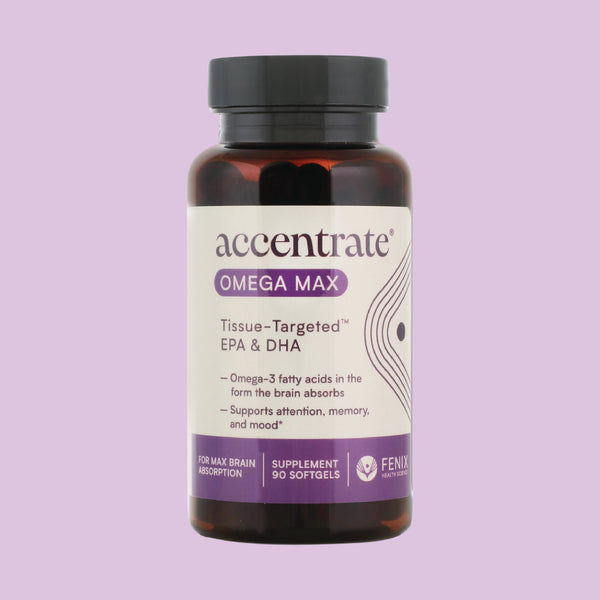
Lysoveta offers a relevant example of how omega-3 nutrition research is evolving. Rather than establishing a solution to cognitive aging, it represents a scientific question that ongoing clinical investigations may help answer. Adults interested in LPC-rich omega-3 EPA and LPC-rich omega-3 DHA nutrition LPC-bound omega-3 nutrition can explore Accentrate® Omega Max, formulated with Lysoveta® LPC-EPA and LPC-DHA.
References
Aker BioMarine. (2026, April 13). New study confirms Aker BioMarine’s Lysoveta delivers EPA & DHA to the brain. https://www.akerbiomarine.com/news/new-study-confirms-aker-biomarines-lysoveta-delivers-epa-dha-to-the-brain
Brainard, J. S., Jimoh, O. F., Deane, K. H. O., Biswas, P., Donaldson, D., Maas, K., Abdelhamid, A. S., & Hooper, L. (2020). Omega-3, omega-6, and polyunsaturated fat for cognition: Systematic review and meta-analysis of randomized trials. Journal of the American Medical Directors Association, 21(10), 1439–1450.e21. https://doi.org/10.1016/j.jamda.2020.02.022
Klievik et al. (2025) Lacombe, R. J. S., et al. (2025). Dietary phospholipid carriers of DHA do not increase brain DHA levels: A replication study. Journal of Lipid Research, 66(11), 100913. https://doi.org/10.1016/j.jlr.2025.100913
Nguyen, L. N., et al. (2014). Mfsd2a is a transporter for the essential omega-3 fatty acid docosahexaenoic acid. Nature, 509, 503–506. https://doi.org/10.1038/nature13241
Scheinman, S. B., Sugasini, D., Zayed, M., Yalagala, P. C. R., Marottoli, F. M., Subbaiah, P. V., & Tai, L. M. (2021). LPC-DHA/EPA-enriched diets increase brain DHA and modulate behavior in mice that express human APOE4. Frontiers in Neuroscience, 15, 690410. https://doi.org/10.3389/fnins.2021.690410
Sugasini, D., Thomas, R., Yalagala, P. C. R., Tai, L. M., & Subbaiah, P. V. (2017). Dietary docosahexaenoic acid (DHA) as lysophosphatidylcholine, but not as free acid, enriches brain DHA and improves memory in adult mice. Scientific Reports, 7, 11263. https://doi.org/10.1038/s41598-017-11766-0
National Institutes of Health, Office of Dietary Supplements. (n.d.). Omega-3 fatty acids: Fact sheet for health professionals. https://ods.od.nih.gov/factsheets/Omega3FattyAcids-HealthProfessional/
University of Cincinnati. (2026). Optimizing CNS DHA delivery in elderly adults at risk for dementia (ClinicalTrials.gov Identifier NCT06933095). https://clinicaltrials.gov/study/NCT06933095
Aker BioMarine Human Ingredients AS. (2026). A clinical trial to examine Lysoveta on cognitive function in healthy adults with self-perceived memory problems (ClinicalTrials.gov Identifier NCT07034794). https://clinicaltrials.gov/study/NCT07034794