




Why Do Genetic Testing? What Gene Tests Can (and Can’t) Reveal
Learn what genetic testing can reveal, why people consider gene tests, and how to decide whether genetic testing may be useful for you.

Sorry, looks like we don't have enough of this product.


Peptides have moved well beyond the science textbook, and they're popping up everywhere. The term appears on skincare labels, tubs of collagen powder, supplement websites, fitness forums, and in conversations about peptide therapy. So what are they and why is everyone talking about them?
Peptides are short chains built from small molecules called amino acids. Amino acids are also the building blocks of proteins, but the length, sequence, and structure of a peptide give it different biological properties.
Understanding that distinction makes it easier to separate naturally occurring peptides from collagen peptides, peptide supplements, and laboratory-made products. It also helps put the many claims surrounding peptides into context.
At the molecular level, peptides are short chains of amino acids joined by peptide bonds. The National Human Genome Research Institute (n.d.) defines a peptide as a chain containing between two and 50 amino acids, although scientific definitions are not completely uniform at the upper end of that range.
A chain containing two amino acid residues is known as a dipeptide, while one containing three is a tripeptide. As chains become longer and more structurally complex, the terminology begins to overlap with polypeptides and proteins.
When two amino acids join, the carboxyl portion of one bonds with the amino portion of another. This forms the bond that holds the chain together. Repeating the process produces longer chains of amino acids.
A peptide containing the same number of amino acids as another one can behave very differently if those amino acids appear in a different order.
The sequence affects a peptide's shape, chemical properties, and interactions with other molecules. In biological systems, this can determine whether it interacts with specific receptors or contributes to cell signaling.
This is why the word “peptide” can't be framed as a benefit in itself. Different peptides may have entirely different roles. “Peptide” describes what the molecule is, but it doesn't explain what that molecule does.

Peptides and proteins come from the same basic raw material: amino acids. The main differences involve chain length, structure, and complexity.
|
Feature |
Peptides |
Proteins |
|
Typical structure |
Shorter chains |
Longer, often more complex chains |
|
Shape |
Often relatively simple |
Often folded into complex structures |
|
Functions |
Highly varied |
Highly varied |
Peptides usually consist of shorter amino-acid chains. Proteins generally contain longer chains that fold into more complex three-dimensional structures. There's no universally agreed line at which every peptide suddenly becomes a protein, so terminology can overlap.
Both peptides and proteins are involved in essential biological processes.
Many proteins form structural components or act as enzymes, transport molecules, or antibodies. Certain peptides work more like signals. They carry information between cells or interact with receptors that influence normal physiological activity.
Until the recent surge in peptide interest, most people thought of proteins and peptides in the context of muscle growth and hair growth. While amino acids and proteins are essential for muscles and hair, they have many other functions in the body. Naturally occurring peptides can participate in hormone activity, digestion, nervous system communication, cell signaling, and normal tissue processes (Behounek, 2026).
Peptides are involved in cellular communication. Some bind to specific receptors on or around cells. This can signal a change in what the cell does next. In simple terms, the peptide acts like a message while the receptor acts as the intended receiver.
Many naturally occurring peptide molecules are involved in hormone signaling. Some pathways involving peptide signals influence the pituitary gland and growth hormone activity, while others participate in blood sugar regulation, digestion, growth, and metabolism (Behounek, 2026).
Endogenous peptides are those the body produces. Depending on the specific peptide, they may participate in:
cell-to-cell communication
normal growth and development
digestion
nervous system signaling
hormone regulation
tissue repair
These pPeptides are made can occur naturally in the body. Amino acids are broken down , form as proteins are broken down during digestion, and the body makes them. Proteins are what are coded in our DNA. or be produced under controlled laboratory conditions.
|
Source |
What This Means |
Example or Context |
|
Produced naturally in the body |
The body makes endogenous peptides as part of normal physiology. These peptides can participate in processes such as cell signaling and hormone activity (Behounek, 2026). |
Naturally occurring signaling peptides |
|
Derived from food proteins |
During digestion, enzymes break dietary proteins into smaller fragments, including peptides and free amino acids. Protein-rich foods include meat, fish, eggs, dairy products, legumes, and soy. |
Food-derived peptide fragments and amino acids |
|
Produced in laboratories |
Scientists can create synthetic peptides with specific amino-acid sequences for research and regulated clinical applications. “Synthetic” does not automatically mean harmful, just as “natural” does not automatically mean safe or effective. |
Laboratory-produced peptides used in research |
A varied, balanced diet provides amino acids that the body can use. However, eating a particular protein doesn't create the same effect as using a specific isolated peptide because the amount of synthetic peptide is typically significantly more than what the body naturally makes. digestion changes dietary protein structure.
What Are Peptide Supplements?
The phrase "peptide supplements" can cause confusion because peptides that are supplements like collagen peptides and oral glutathione like it covers products that are very different from the injectable compounds often discussed online.
Mainstream dietary peptide products commonly include hydrolyzed proteins such as collagen peptides. Meanwhile, peptide therapy, peptide injections, and products described as injectable peptides are part of a different category. They aren't interchangeable with ordinary dietary supplements.
Collagen is a structural protein found throughout connective tissues. Hydrolysis breaks collagen into smaller peptide fragments. This creates the collagen peptides found in many powders and collagen supplements.
Research has considered whether oral collagen supplementation may influence measures related to skin health, skin elasticity, hydration, body composition, and physical training.
The evidence needs careful interpretation. A 2025 systematic review and meta-analysis of 10 randomized controlled trials reported improvements in skin hydration and elasticity while also identifying limitations, including moderate heterogeneity, uncertain risk of bias, and a relatively small evidence base (Danessa et al., 2025).
A separate 2025 meta-analysis provides an important counterpoint. Although the combined results initially suggested improvements in hydration, elasticity, and wrinkles, the effects were not found in higher-quality studies or studies without industry funding (Myung & Park, 2025). This makes broad claims about collagen and skin elasticity difficult to justify without acknowledging differences in study quality.
Research has also looked at collagen supplementation alongside regular exercise. A 2024 systematic review found some favorable changes in measures such as fat-free mass, strength, recovery, and musculotendinous outcomes, but the certainty of evidence ranged from very low to moderate depending on the outcome (Bischof et al., 2024).
Statements that collagen supplementation universally supports muscle growth and recovery, joint health, or skin health require more nuance than a product label may suggest.
Collagen is also only one area of nutrition considered in the context of healthy aging. Our longevity supplements focus on other nutritional categories, including omega-3 fatty acids and active-form vitamins.
A label saying “contains peptides” provides very little useful information on its own.
The important questions are:
Which peptide is present?
What amino-acid sequence does it contain?
How much is included?
How is it formulated?
What type of research supports that particular ingredient?
Claims about muscle growth, skin health, joint health, fat loss, or muscle recovery can't automatically be applied to every peptide.
The same principle applies to peptide therapy. Some peptide-based products have undergone formal regulatory review, while other injectable peptides promoted online or through some wellness settings have not been evaluated to the same standard (Behounek, 2026; U.S. Food and Drug Administration [FDA], 2026).
Peptides are also different from familiar nutritional ingredients. Vitamins, mineral supplements, and omega-3 supplements belong to different nutritional categories with their own biological roles and evidence bases.
The fact that all may appear under the broad umbrella of dietary supplements doesn't make them biologically equivalent.
Peptide marketing can move faster than peptide research. This is important when claims involve weight loss or weight management, muscle growth, skin rejuvenation, or enhanced performance.
Peptide names aren't always easy to interpret. Some products use abbreviated names, alphanumeric codes, or closely related versions of the same peptide, which can make comparison difficult.
Consumers can check the label or product information for the exact peptide name, the amount provided, and the specific form being used. If a product only uses a vague description or research-style code without clearly identifying what it contains, that can make it harder to assess the evidence behind it.
This matters because even peptides with similar names or structures may differ in their biological activity, stability, formulation, and research base.
Evidence exists on a spectrum, and research on many newer peptide products is still developing.
Laboratory research can identify potential mechanisms. Animal studies can provide additional information, but neither predicts what happens in people. Small human studies offer more direct evidence, while well-designed large clinical trials can provide greater confidence.
Study quality matters, too. The contrasting conclusions of recent collagen reviews illustrate why simply finding “a study” is not enough. Funding, risk of bias, sample size, study design, and consistency across the evidence can all affect how confidently a result should be interpreted (Danessa et al., 2025; Myung & Park, 2025).
Consumers considering taking popular injectable peptides should only use them under supervision of a medical practitioner and should take extreme caution buying peptides from sources that do not require a prescription or medical supervision.
Consumers can look for transparent labels, clear ingredients, reputable manufacturing practices, appropriate testing, and realistic claims.
Safety concerns can arise with some compounded or unregulated injectable peptide products. Products sold outside established regulatory channels are sometimes described as gray-market peptides (Behounek, 2026).
In materials considered by its Pharmacy Compounding Advisory Committee in July 2026, the FDA discussed issues including peptide-related impurities, aggregation, inadequate characterization, and potential immune responses for certain peptide substances, particularly with some routes of administration (FDA, 2026).
Nutrition is rarely one-size-fits-all. Diet, age, lifestyle, nutrient intake, genetics, and health history can all affect individual nutritional priorities.
For people interested in understanding genetic factors related to nutrient processing, Fenix Health Science offers at-home genetic test kits that provide additional information about selected genetic pathways. Genetic testing doesn't determine whether a person needs peptides or predict how someone will respond to peptide supplements. It may provide broader context when considering personalized nutrition.
Anyone considering a supplement, peptide injections, or another injectable peptide product can also discuss the available evidence and individual considerations with a healthcare provider.
Nutritional supplements offer a way to support the body’s natural processes with nutrients it already uses. Vitamins, minerals, and omega-3 fatty acids each have distinct biological roles, and supplementation can complement the nutrition provided by food. The goal isn’t simply to get more of everything. It’s to provide nutrients in forms and amounts that fit a person’s needs. As with peptides, the benefits depend on the specific ingredient and the evidence behind it—not just the word “natural” on the label.
Peptides sound complicated, but the basic principle is straightforward: they are relatively short chains of amino acids, and their specific sequence helps determine how they behave.
That simplicity at the molecular level should not lead to broad conclusions about peptide products. Naturally occurring peptides, collagen peptides, dietary peptide supplements, synthetic peptides, and products promoted as peptide therapy can differ substantially in their purpose, formulation, research base, and oversight.
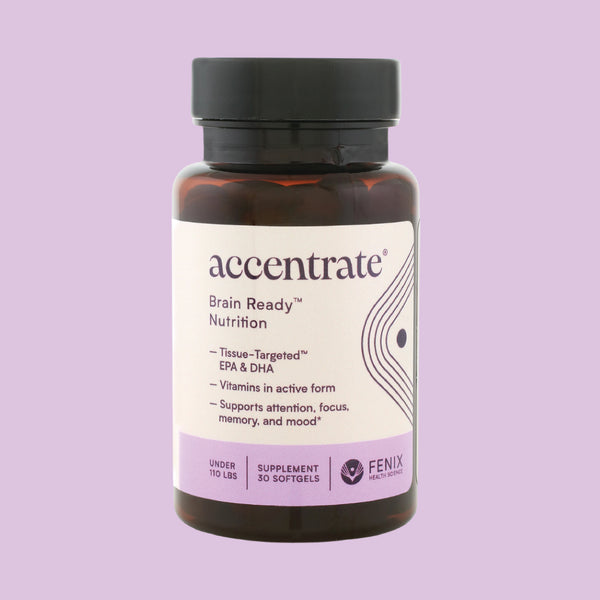
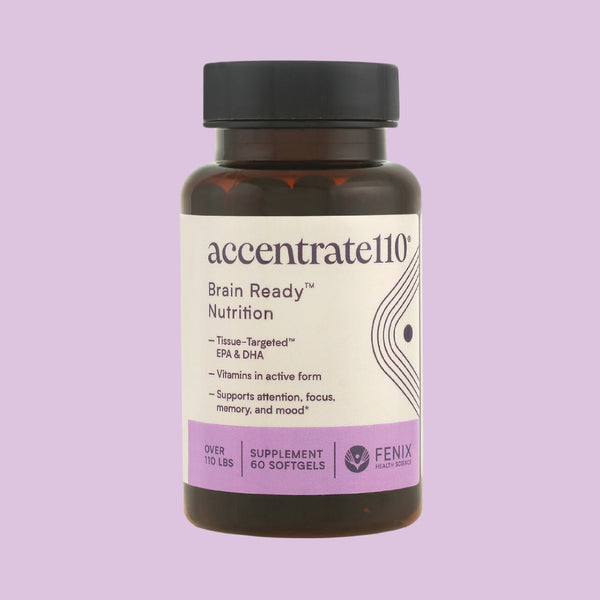
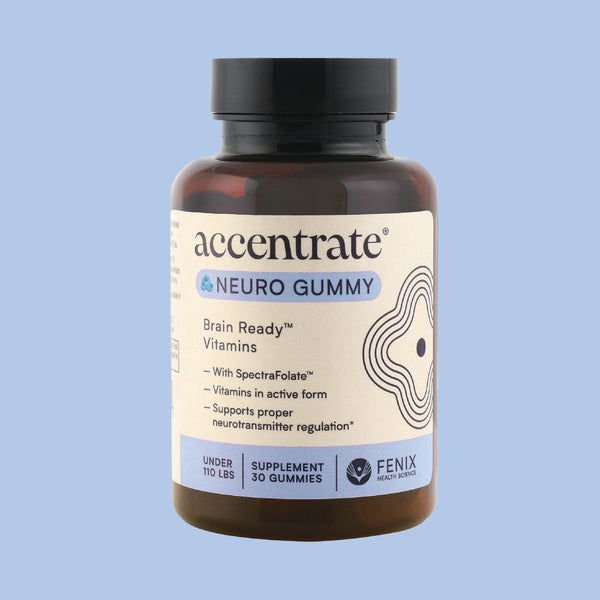
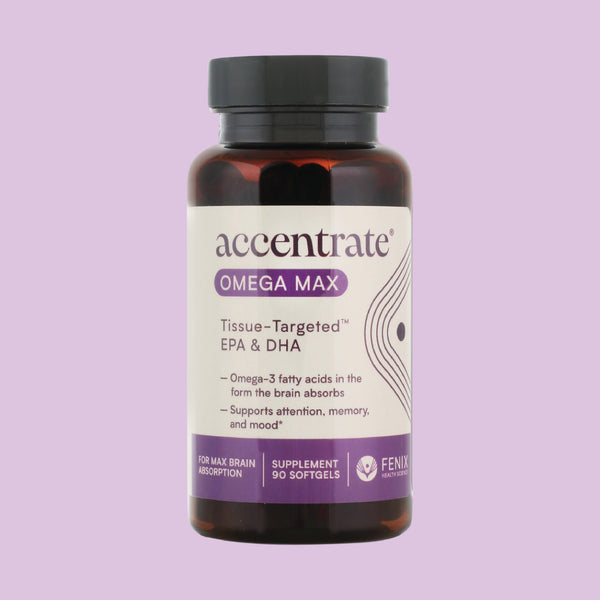
Peptides are also only one part of nutrition. Fenix Health Science's science-focused supplement collection includes omega-3s, vitamins, minerals, and other nutritional options for people interested in a broader approach to everyday wellness.
These statements have not been evaluated by the Food and Drug Administration. This product is not intended to diagnose, treat, cure, or prevent any disease.
Behounek, C. (2026, July 20). Peptides explained: What they do, how they work and what to know about peptide therapy. CU Anschutz Medical Campus.
Bischof, K., Moitzi, A. M., Stafilidis, S., & König, D. (2024). Impact of collagen peptide supplementation in combination with long-term physical training on strength, musculotendinous remodeling, functional recovery, and body composition in healthy adults: A systematic review with meta-analysis. Sports Medicine, 54(11), 2865–2888.
https://doi.org/10.1007/s40279-024-02079-0
Danessa, G., Notario, D., & Regina, R. (2025). Effects of collagen-based supplements on skin's hydration and elasticity: A systematic review and meta-analysis. Indian Journal of Dermatology, Venereology and Leprology, 91(6), 730–740.
https://doi.org/10.25259/IJDVL_1165_2023
Jain, S., Gupta, S., Patiyal, S., & Raghava, G. P. S. (2024). THPdb2: Compilation of FDA approved therapeutic peptides and proteins. Drug Discovery Today, 29(7), 104047.
https://doi.org/10.1016/j.drudis.2024.104047
Myung, S.-K., & Park, Y. (2025). Effects of collagen supplements on skin aging: A systematic review and meta-analysis of randomized controlled trials. The American Journal of Medicine, 138(9), 1264–1277.
https://doi.org/10.1016/j.amjmed.2025.04.034
National Human Genome Research Institute. (n.d.). Peptide. Retrieved August 30, 2026, from
U.S. Food and Drug Administration. (2026, July 23–24). July 23–24, 2026: Meeting of the Pharmacy Compounding Advisory Committee.
