In the era of personalized medicine, genetic testing gives you a clear look at how your DNA shapes your health and mood. It even shows how your body uses the food you eat. Today, researchers focus heavily on one specific genetic marker: The Methylene Tetrahydrofolate Reductase (MTHFR) gene. MTHFR plays a role in the folate and methylation pathways, which support many processes in the body—including pathways involved in brain chemistry including those responsible for the "feel-good" chemicals that balance your mood. When this gene works correctly, your body stays in balance. However, small changes in this gene can create "roadblocks" to your health. Fenix Health Science uses MTHFR testing to help you find these hidden obstacles. In this post, you will learn how the MTHFR gene works and why a genetic test could be the key to feeling your best.
What Is MTHFR?
The MTHFR gene provides the blueprint your body needs to create an essential protein. This protein (enzyme) acts like a specialized worker, breaking down nutrients to keep your brain and body healthy. It is among the enzymes that converts folic acid from fortified foods and certain dietary supplements into a usable form called 5-MTHF. You can think of this MTHFR gene as a biological "master switch" that turns raw vitamins into the high-quality nutrient your body needs to operate. This gene serves as a foundation for your cellular health and is a central player in one-carbon metabolism. It controls how your body regulates many intercellular responses. A functioning MTHFR supports a lower risk of health issues; when it stalls, it can leave your body vulnerable. The MTHFR gene runs the system that converts the vitamins you eat into signaling molecules your brain can actually use. Without this 'conversion kit,' your body struggles to stay balanced. And some research shows that unmetabolized folic acid contributes to inflammation. So if the MTHFR enzyme isn’t functioning properly, the body may not react well with certain supplements.
The Enzyme’s Role
The MTHFR enzyme drives the folate cycle, which is how your body uses Vitamin B9. It changes folate into its active form, 5-MTHF. This active fuel powers three vital tasks that keep you healthy:
-
DNA Repair and Control: It acts like a dimmer switch for your genes, turning them on or off when needed. This helps your body repair damaged DNA and supports long-term disease control by protecting your cells against environmental stressors.
-
Mood and Focus: It helps create the brain chemicals (serotonin, dopamine, and norepinephrine) that manage your mood.
-
Heart and Brain Protection: It breaks down an amino acid called homocysteine. If your body cannot break this down, homocysteine levels rise. High levels can damage your heart.
The enzyme works poorly if the MTHFR gene has a "glitch". This makes it much harder for your body to activate folic acid from your food or certain supplements. As a result, harmful homocysteine builds up, which can eventually impact your long-term health.
The Science of Methylation
Methylation is the process your body uses to manage millions of tasks every second. Think of it as a cellular recycling center that clears out environmental toxins, balances your hormones, controls anti-inflammatory responses, and generates energy. Your body needs a host of nutrients from folate and Vitamin B12 to keep this system running fast. This process works best when these nutrients are already in their active forms.
When certain MTHFR gene variants slow down your system, your body struggles to process the nutrients it needs to stay healthy. This slowdown can cloud your thinking and make it harder to stay sharp as you get older. Doctors often use a targeted DNA test to find these 'glitches' in your MTHFR gene, or they can use a full-body genetic map to look at every detail of your DNA.
The Folate Cycle
The folate cycle turns the folic acid from your food into 5-MTHF. This "active form" then powers the methionine cycle, which repairs your DNA. Your brain chemicals slow down, and harmful homocysteine levels rise when a "glitch" in the MTHFR gene breaks this cycle. Medical practitioners now use MTHFR testing because of this vital connection. The test takes a look at your DNA. It doesn’t measure your chemistry directly, but it can reveal whether you’re more likely to have a “slow step” in the cycle. Once you know that, you can use the right nutrients to support the process and keep things running smoothly.
The Homocysteine Connection
High homocysteine levels are a major red flag in diagnosing medical conditions. It can damage your blood vessels and increase your risk for coronary artery disease, stroke, and memory loss when this amino acid builds up. Your body can’t convert homocysteine into the helpful nutrient methionine fast enough when any abnormality slows down your MTHFR gene. This failure leads to a toxic buildup. One study by McMahon et al. confirms that MTHFR mutations contribute to endothelial damage and cardiovascular risks (1065).
You can take steps to reduce your risk of heart issues by identifying these elevated levels early. If an individual has an MTHFR variant, supplementation using an active form of folate such as L-methylfolate may be needed to help the body move homocysteine through the biochemical cycles, keeping your circulation healthy. Organizations like the American Heart Association continue to monitor the connection between homocysteine and cardiovascular health. They emphasize that because our enzymes work at different speeds, we each need to add folic acid, B6, and B12 supplements to complement our diet (Malinow et al. 178-79).
The Clinical Impact: Conditions Connected to MTHFR Variants
Discovering an MTHFR variant doesn't mean a guaranteed health issue, but it can uncover why certain conditions occur more frequently in some individuals. An underperforming MTHFR enzyme can reduce the body's ability to use folic acid effectively, which influences several critical systems.
Cardiovascular and Circulatory Health
One of the primary functions of the MTHFR enzyme is to regulate homocysteine levels. When this regulation falters, homocysteine can build up in the bloodstream, potentially causing damage to the inner lining of arteries. Over time, this contributes to elevated blood pressure and increases the likelihood of clot formation.
-
High Blood Pressure: Elevated homocysteine levels are known to decrease arterial flexibility, contributing to hypertension.
-
Risk of Blood Clots: Elevated homocysteine may contribute to blood vessel damage and changes in clotting regulation, which can increase the risk of stroke and venous thrombosis.
Mental Health and Brain Chemistry
The production of mood-regulating neurotransmitters relies on the folate cycle. When this process is disrupted, the brain struggles to maintain a healthy balance of serotonin, dopamine, and norepinephrine.
-
Depression: Particularly in cases resistant to conventional treatment, inefficient methylation may be the underlying cause. When searching for the best brain supplement, it’s crucial to look for ingredients that directly support these chemical pathways rather than just masking symptoms.
-
Anxiety: Disrupted one-carbon metabolism can overstimulate the nervous system, leading to heightened anxiety or panic episodes.
-
ADHD and Focus Problems: To stay attentive and calm, your brain must constantly build these same chemicals. This is especially important for children who need to stay sharp and focused.
Fertility and Fetal Development
The stakes are even higher during pregnancy. MTHFR variants can reduce the body’s ability to protect the developing fetus, particularly during early neural development.
-
Neural Tube Defects: Impaired folate metabolism is strongly linked to conditions like spina bifida and anencephaly.
-
Pregnancy Loss: Recurrent miscarriages may stem from methylation-related clotting issues in the placenta, restricting blood flow and nutrients to the fetus.
Detoxification and Chronic Fatigue
A sluggish methylation system hampers the body’s ability to eliminate toxins efficiently, leading to a buildup of oxidative stress and chronic fatigue.
-
Low Energy: Mitochondrial function depends on adequate methylation. Without it, energy production is compromised.
-
Chemical Sensitivities: Affected individuals often have lower tolerance to everyday exposures such as fragrances or alcohol, which would otherwise be neutralized through detoxification.
Understanding these connections allows both clinicians and patients to approach health more proactively. Rather than waiting for symptoms to arise, identifying an MTHFR variant can prompt early dietary and lifestyle interventions, supporting better long-term outcomes.
What Is MTHFR Testing?
An MTHFR gene test identifies if you carry one of the two common variants in this gene: C677T or A1298C. Instead of guessing, this test (which meets rigorous standards for laboratory accuracy) gives you a clear look at how your body handles vital nutrients.
What the Test Measures:
Knowing which MTHFR variant a person has can inform an individuals:
-
Enzyme Activity: It helps estimate whether your MTHFR enzyme may function more slowly than average, which can affect how efficiently your body produces 5-MTHF.
-
Methylation Support Needs: It can suggest whether you may benefit more from active forms of folate (like 5-MTHF) and other methylation-support nutrients.
-
Heart and Brain Health: It may indicate a higher likelihood of elevated homocysteine, which is often confirmed through blood testing.
-
Categorizes Your Results: The test places you into one of these different levels:
-
Normal (Wild Type): You have two healthy copies of the gene.
-
Single Variant (Heterozygous): You have one changed copy. Your enzyme may be slightly slower.
-
Double Variant (Homozygous): You have two changed copies. This can slow your enzyme function by 60–70%, making it much harder to stay alert.
-
Create a Nutritional Plan: It tells you if you should switch from synthetic folic acid to active, methylated B-vitamins to support your mental skills.
Common MTHFR Gene Variants
Scientists primarily focus on two specific versions of this gene: C677T and A1298C. Each affects your health in a different way. Yes, there are other genetic variants and rare variants. These two, however, have the most significant impact on daily wellness.
C677T: The Heart and Circulation Variant
This version significantly slows down how your body converts folic acid. It has a strong connection to high homocysteine levels that create "friction" in your cardiovascular system. It irritates the lining of your blood vessels, makes your blood "stickier," and forces your heart to work harder than it should.
A1298C: The Brain and Mood Variant
This variant is generally considered to have a different pattern of effects than C677T. While it does not consistently raise homocysteine levels, some research has explored potential links to folate-dependent processes in the nervous system. It has been shown to influence:
-
Mental Clarity: It helps clear away that "fuzzy" feeling so you can focus on your to-do lists.
-
Mood Stability: It helps you maintain a balanced mood and emotional energy.
-
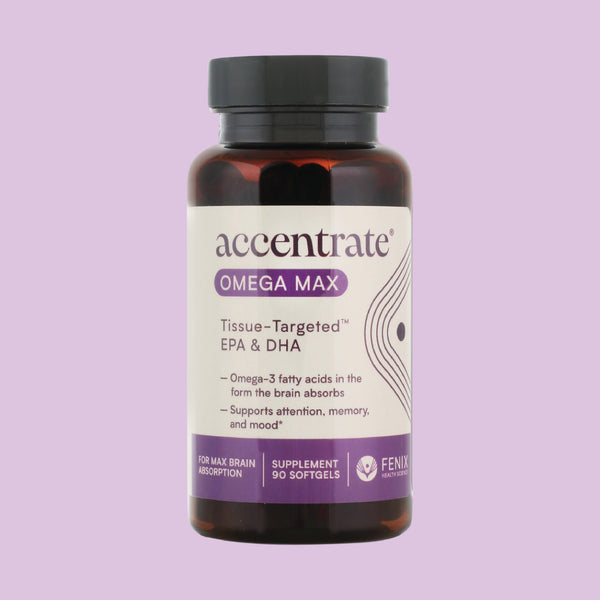
Brain Health: Supporting this variant with individual nutrients can lead to a lower risk of mood disorders. Incorporating a high-quality lipid carrier like Accentrate Omega Max ensures your brain receives the essential fatty acids it needs to maintain healthy cell membranes and efficient signaling.
Popular Misconceptions About MTHFR
-
It’s Not Rare: These genetic changes are actually very common. In fact, more than 40% of people have at least one copy of the MTHFR variants.
-
It’s Not a Guarantee of Sickness: Having a variant doesn’t mean you are sick. It's one piece of the puzzle in which other factors, like diet or environment, might play a role. It simply means you might have a higher risk for certain issues.
-
Folic Acid Isn’t "Poison": Folic acid isn't inherently dangerous. However, your body may process it more effectively if you take the methylated version (the active form) of the folic acid supplement.
-
DNA Tests Don't Tell the Whole Story: The short answer is that a genetic test only shows your potential risks. You still need regular blood tests to check your actual levels of homocysteine, folate, and B12.
-
Every Case is Unique: Not all variants affect your body the same way. Some individuals may have a rare variant that requires even more specific nutritional support, while most people carry common SNPs. You need a nutrition plan designed specifically for you because these enzymes work differently for everyone.
What Is the MTHFR Test Used For?
-
Heart Health: Testing identifies if a patient has increased homocysteine levels (a risk factor for heart disease).
-
Mental Wellness: Medical practitioners can use your results to build better treatment plans for depression, anxiety, and ADHD.
-
Healthy Pregnancy: Results can help mothers-to-be choose the right form of folate (5-MTHF).
-
Energy and Focus: Practitioners look for "poor methylation" to find the root cause of your chronic fatigue. Many patients report improved mental clarity within just a few weeks by addressing these gaps.
-
Smart Supplementing: You can match your vitamin and supplement plan to your specific genetic makeup.
How to Test the MTHFR Gene
The testing process is simple and non-invasive, making it easy to coordinate screening for close family members. Since these genetic variants are hereditary, identifying a mutant in your own DNA often provides a helpful roadmap for the health of your siblings or children as well. You can collect a DNA sample in three ways:
-
Cheek Swab: You rub a soft swab inside your cheek.
-
Saliva: You spit into a tube at home.
-
Blood Sample: A professional draws blood, which also allows them to check your current vitamin levels.
Where to Get Your Test
-
Clinical Setting: You can request a test through a clinical lab such as Quest Diagnostics or LabCorp.
-
At-Home Kits: You can use services like the Fenix Health Science genetic kit, and then use specialized software to read the MTHFR data.
The Technology
PCR: Labs use the Polymerase Chain Reaction (PCR) to "zoom in" on your DNA. This technology allows scientists to determine the exact location of a single gene and identify any changes.
What Test Do I Need?
Genetic testing can range from simple and affordable to very comprehensive.
Some tests focus only on one gene (such as MTHFR) and tell you whether you carry one of the common variants. This is a great starting point if you want basic clarity without paying for a full genetic panel.
Other tests include a broader set of genes involved in methylation, folate metabolism, and nutrient processing, and typically cost more (often in the $300–$500 range). These reports can provide more actionable information, but they may be unnecessary for everyone.
A Flexible Option
Fenix Health Science offers genetic testing that can start with a single report (such as MTHFR), with the option to upgrade later if you want deeper insight.
Because your DNA sample contains all of your genetic data, you do not need to order a second kit or send in another cheek swab to unlock additional reports. If you decide later that you want more information, you can simply upgrade and receive expanded reporting based on the same sample.
This approach is ideal for people who want to start small, but don’t want to lose the option of getting more personalized insights later.
How to Use Your Results
Within a few weeks of adjusting your protocol, many people notice a difference in energy. You may want to consult a genetic counselor to discuss your ancestry and how these traits are passed down. If you test positive for a variant, don't worry, it’s a tool for improvement, not a diagnosis. Use the Fenix Edge strategy to optimize your health:
-
Avoid Fortified Processed Foods: Many processed foods (such as breads, cereals, and snack products) are fortified with synthetic folic acid. If you have an MTHFR variant, your body may not convert large amounts of folic acid efficiently. Over time, unmetabolized folic acid can accumulate and compete with natural folate pathways. Choosing foods that are not heavily fortified helps reduce this unnecessary burden and allows your body to rely on forms of folate it can use more effectively.
-
Eat Real, Whole Foods: Whole foods naturally contain folate in forms your body is designed to recognize and use. Vegetables—especially leafy greens—are excellent sources, but fruits, beans, and even meats also contribute meaningful amounts of folate and other supportive nutrients. A diet centered on real, minimally processed foods supports methylation naturally and reduces reliance on synthetic additives.
-
Switch Your Folate: Get your folic acid facts straight so you can choose the right form. It is a common mistake to think all B9 is the same. If your DNA mutation analysis shows a variant, the most important of all folic acid facts is that your body may require pre-methylated supplements to bypass the enzyme roadblock. Stop using synthetic folic acid. Instead, use methylated B-vitamins (like 5-MTHF and methylcobalamin) that your body can use immediately.
-
Add Support: Take Riboflavin (Vitamin B2) to help your enzymes work faster.
-
Use a Backup Route: Take Trimethylglycine (Betaine). This supplement creates a detour in your body that may cause a build up of excess homocysteine, even if your MTHFR gene is slow. Seek additional information by monitoring your blood work to see how your body is responding to these nutritional changes. C677T and A1298C are indeed the most studied. Still, your genetic report may contain additional information regarding other genetic variants that influence how you process B vitamins.
Conclusion:
An MTHFR genetic test result reveals your health risks so you can choose the right nutrition to stop problems before they start. These results show you how to gain more energy, clearer thinking, and a stronger body if you want to protect your heart or balance your mood. At Fenix Health Science, we believe knowledge is power. We give you the tools and nutrients you need to take charge of your DNA and build a healthier future.
References
Malinow, M. R., et al. “Homocyst(e)ine, Diet, and Cardiovascular Diseases: A Statement for Healthcare Professionals from the Nutrition Committee, American Heart Association.” Circulation, vol. 99, no. 1, 12 Jan. 1999, pp. 178-182, doi:10.1161/01.cir.99.1.178.
McMahon, A. O., et al. "Impact of the MTHFR C677T Polymorphism on Blood Pressure and Related Central Haemodynamic Parameters in Healthy Adults." Journal of Human Nutrition and Dietetics, vol. 35, no. 6, Dec. 2022, pp. 1065-75.
These statements have not been evaluated by the Food and Drug Administration. This product is not intended to diagnose, treat, cure, or prevent any disease.